Why digital-first brands are moving marketing offline
What’s Next and What Matters: The Trends Shaping Corporate Events in 2026
Stand-out corporate events in 2026 are about relevance, resonance and relationships.
As audiences become more selective with their time, events must earn their place by delivering something irreplaceable: human connection.
B2B planners are prioritising brand culture, values, and creativity over a polished image, and events are a powerful expression of this. Across sectors, marketers are shifting to streaming and curated community experiences that resonate. But to talk human, shift from a one-size-fits-all approach and form connections, you have to understand what resonates with your audience.
For corporate event planners, these trends mean rethinking how events are designed, delivered and measured. From conferences and brand activations to employee experiences and product launches, the focus is on creating events that give audiences a compelling reason to attend and a lasting reason to engage.
Here are the key trends redefining what successful corporate events look like in 2026 and how brands can translate them into effective brand experiences.
Trend One: Inclusive event design
Inclusive marketing isn’t just a trend but can also be a growth strategy with almost two thirds of people valuing companies who promote diversity and inclusion, a growing percentage despite ongoing backlash against DEI initiatives in some markets. Future-forward brands will demonstrate genuine commitment to diversity and inclusion, connecting better to consumers and improving access and representation in their events and behind the scenes. Brands that lead the way take action in making their events inclusive by design as well as inviting attendees to actively participate and belong within brand communities through co-creation.
Trend Two: The rise of pop-up experiences
Kantar refers to ‘Treatonomics’, as the antidote to economic pressure. Customers are injecting optimism into their lives through small pleasures and spending on enjoyment and celebration. Social media’s pivot to commerce, where demand is created and fulfilled in seconds, is enabling customers to treat themselves for small milestones and brands are meeting customers where they are by creating joy in the everyday.
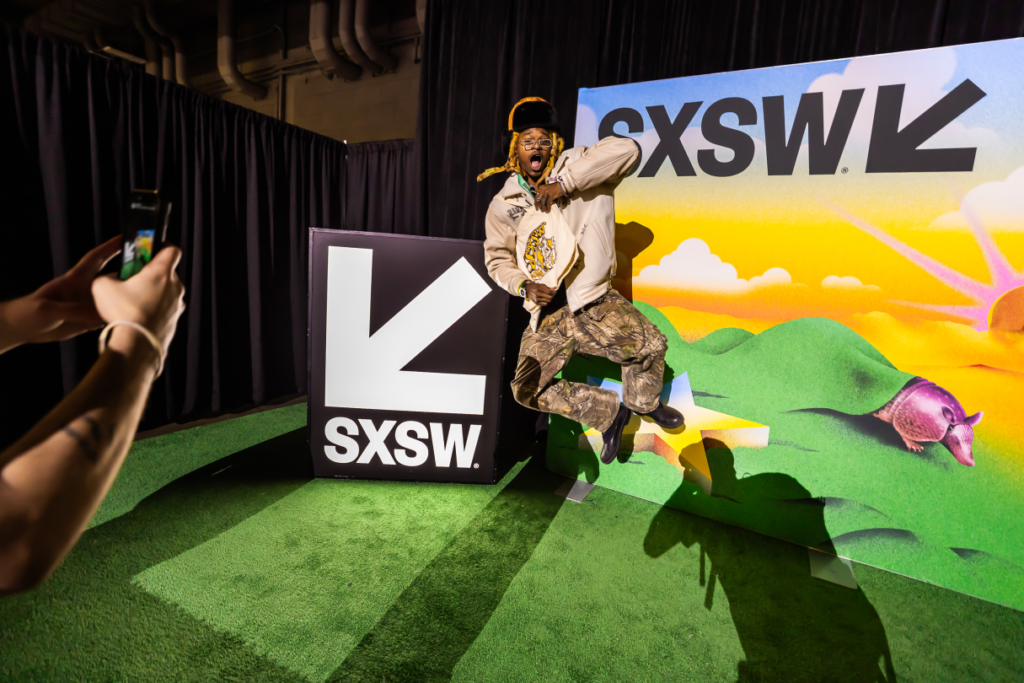
This translates into the growth of pop-ups and micro brand events. Pop-ups are not just activations; they are live brand stories that create memories and tangible meaning for their communities. They blur the line between joy and retail, incentivising visits and creating genuine hype, earned media, and emotional investment.
Specifically, in the B2B world, regional events allowing brands to connect with smaller targeted audiences and interest in these events has increased 15% year on year while trade shows take the top spot for areas in which B2B marketers will be doing more. These smaller scale, local pop-up experiences and exhibition stands offer planners the chance to get more creative and lean into cultural relevance.
Trend Three: Creative capital
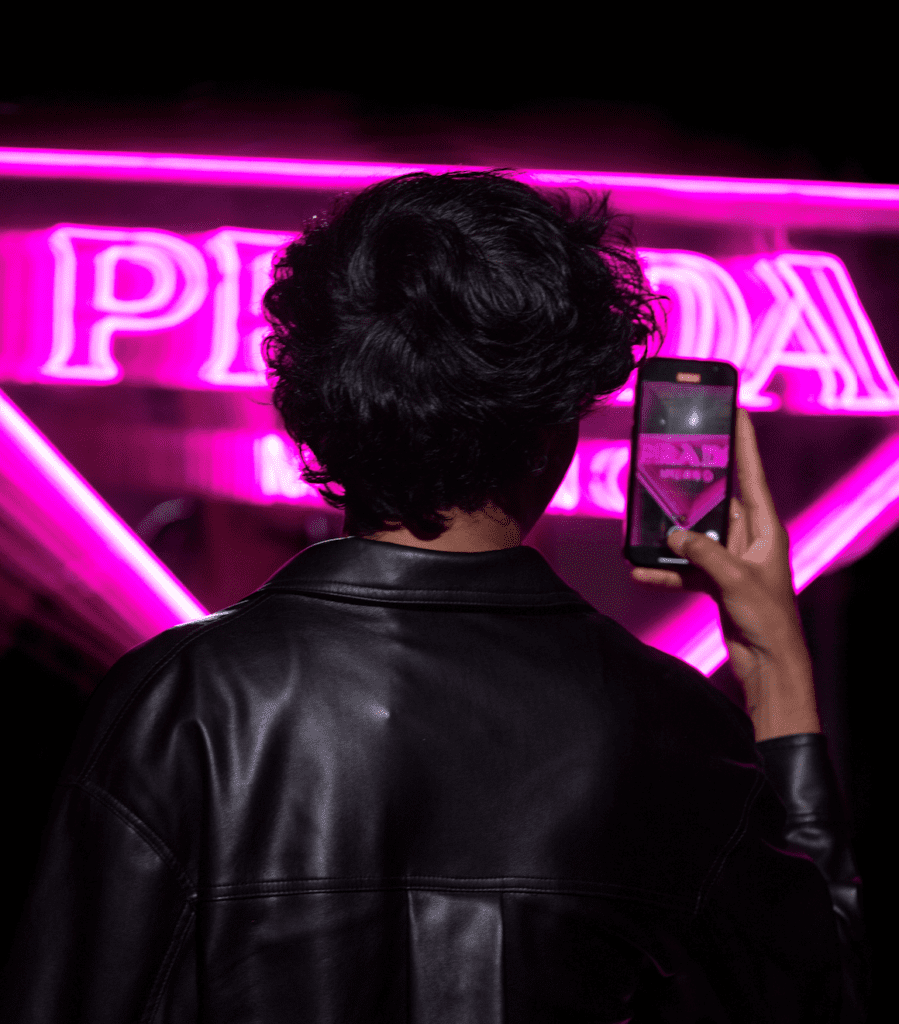
Events are a powerful tool for brands to create emotional connection and context around their products. When a product or brand lives inside an experience, people don’t just notice them but feel them. Especially in today’s digital first world, events offer the opportunity for audiences to step into and participate in a brand’s world rather than scrolling past. Creativity is now key for B2B marketers to stand out, grab attention, and build brand memories.
While engagement might be driven by freebies, purchase behaviour results from trial and understanding. Year on year, there’s been a broader shift in consumer spending toward experiences over goods. Millennials and Gen Z in particular lean towards meaningful experiences and connections over products.
Event teams are investing more than ever in creating environments designed to be captured and shared. As almost 60% of attendees take photos and videos at events and 80% talk about their experience post-event, there is an opportunity to create word of mouth, user generated content and amplify brand reach beyond the room. Event planners are therefore designing shareable events and facilitating ‘Instagrammable moments’.
Trend Four: B2B planners are rethinking the conference format
Today’s brand events have undergone a tangible shift from classroom formats to festival style experiences. There are exciting opportunities to innovate when designing modern conferences. While education and networking are the top reason people attend business events, B2B marketers are making these things more appealing to modern audiences. This means swapping out traditional keynotes and long formats for value that can’t be replicated online. For example, in person connection, hands-on workshops, new cities and fun experiences are driving attendance.
In 2026, the most successful corporate events will be those that feel human, purposeful, and emotionally resonant. These events bring communities together for unmissable experiences. Creativity and storytelling are no longer “nice to have” in the B2B world. They are essential. Brands that understand this create events where people not only attend, but also feel part of the brand experience.
About Broadsword
Broadsword is a London-based corporate event agency specialising in the production of impactful corporate events, conferences, and brand experiences. Broadsword has over two decades of experience working with leading brands to produce their events and multiple awards won for our work. As a full-service agency, they provide expert support from strategy to event management and technical production.
Related insights
The Step-By-Step Guide to High-Impact Event Strategy
![two women at corporate event in conversation.]()
The Step-By-Step Guide to High-Impact Event Strategy