Impactful Charity Events: The Guide
How to Get the Most from Your Event Budget
Doing more with less is a familiar challenge for B2B event organisers, particularly after several years of rising costs. When budgets are under pressure, the instinct can be to scale everything back. But maximising value is not simply about spending less. It is about spending with greater purpose.
The most effective events combine smart operational decisions with creative thinking. They focus investment on the moments that matter, use distinctive branding to build recognition and give audiences an experience they will remember. Creativity is the organiser’s superpower: it can help a smaller event stand out against competitors with much larger budgets.
Getting the most from an event budget is not about removing everything that makes an event special. It is about understanding its purpose and directing resources towards the moments that will make the greatest difference. Small decisions can add up to substantial saving to create an event that delivers genuine value without unnecessary expense.
Focus on your audience
When budgets are tight, trying to reach everyone is one of the quickest ways to dilute your impact. Start by identifying the audience that matters most and build the event around its needs, motivations and expectations.
Consider what you want attendees to think, feel and do before, during and after the event. This will help you shape everything from the programme and venue to the content, branding and follow-up.
For B2B brands, the goal is not only to generate an immediate response. Events can also build mental availability: the likelihood that your brand comes to mind when a potential customer enters the market. Achieving that requires a balance between short-term activation and long-term brand building, supported by consistent use of recognisable assets such as your logo, colours, messaging and visual identity.
Choose the right format
A full-day event may feel like the default, but it is not always necessary. A focused half-day conference or breakfast event can be just as effective, particularly when the audience is time-poor and the content is concise.
Shorter formats can reduce venue hire, staffing and production costs, but catering is often where the most noticeable saving is made. A breakfast event may require only tea, coffee and a light breakfast, while a half-day event can avoid the cost of lunch and afternoon refreshments.
Match the format to the objective. A shorter, well-paced experience will usually make a stronger impression than a full day padded with content.
Use creativity to increase impact
A limited budget does not have to produce a limited experience. Original thinking can help a brand stand out among better-known, higher-spending competitors.
Think beyond the traditional corporate classroom conference. How could you turn the space into a brand world in which your audience genuinely wants to spend time? This does not necessarily require elaborate production. It might come from an unexpected format, a compelling narrative, an interactive moment, a distinctive host or a simple detail that creates an emotional response.
Emotion matters because memorable experiences help brands stay front of mind. Research into the cost of dull creative demonstrates that forgettable work can require substantially more media investment to achieve the same effect as stronger creative. The lesson for event organisers is clear: efficiency should not come at the cost of being interesting.
Extend the event across channels
Your event should not begin when attendees enter the room and end when they leave. A connected content plan can extend its reach, reinforce the message and create more value from the same investment. This does not have to mean a large paid-media budget. Look for opportunities across owned, earned and shared channels. You could:
- Collaborate with speakers, sponsors, partners and creators to reach their audiences.
- Produce useful, shareable content before and after the event.
- Use PR to amplify a strong story, announcement or piece of research.
- Adapt speaker interviews and session highlights into short-form video.
- Make greater use of your website, email, social channels, merchandise or product packaging.
- Consider sponsors for different elements of the event.
One Broadsword client turned event branding into a permanent installation in its office, extending the value of the assets well beyond the event itself. Another created “day in the life” videos featuring speakers in the lead-up to an event, building familiarity and anticipation before guests arrived.
Take a light approach to branding
Extensive printed signage and bespoke set dressing can be expensive, difficult to reuse and wasteful. Instead, use the venue’s existing features to create a strong visual identity. Digital screens can display welcome messages, agendas, sponsor content and directional information, while coloured lighting can transform a room and reflect your brand palette. Both can be updated without reprinting materials.
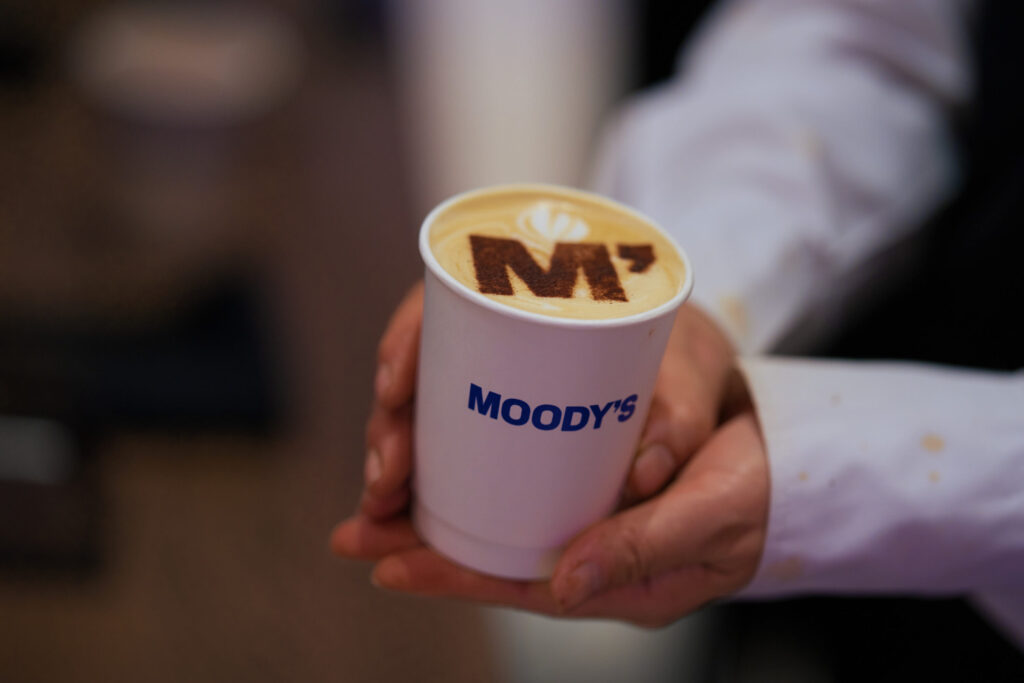
Branding food and drinks can also be cost-effective while still creating impact. Branded biscuits, coffee stencils, cocktail garnishes or edible logos provide memorable details that guests may photograph and share. Choose a small number of high-visibility touch points rather than trying to brand every surface. Consistency, creativity and placement matter more than quantity.
Choose your venue carefully
While your flagship event might have always been on the same day, at the same venue, this might not be the most cost-effective approach. Business events are often held midweek, with certain days, locations, and seasons more popular (and more expensive). Working with a venue to find the best value may unlock a reduced hire rate or better package.
Additionally think about the built in value your venue offers. Production costs can increase quickly when screens, microphones, sound systems, staging and technical support need to be brought in separately. When comparing venues, look beyond the room-hire figure and assess the quality of the in-house audiovisual equipment. A venue with reliable built-in screens, sound and lighting may initially appear more expensive, but it could offer better overall value once external equipment, delivery, installation and technical labour are included.
Ask exactly what the package covers, whether an in-house technician is required and whether there are additional charges for Wi-Fi, microphones, content playback or hybrid-event capabilities. Compare the total cost, rather than the headline room rate.
Working with local suppliers close to the venue can reduce travel, delivery and accommodation costs. Local teams such as a London events agency can help you find the best venues to host your corporate event on a budget, and may also know the venue already, making set-up more efficient and seamless.
Price should not be the only consideration. Look for dependable partners who understand the brief, have relevant experience and provide transparent quotations. The best value comes from balancing cost, quality and reliability.
Use a partner that can engineer value
An experienced event agency can help you see possibilities that may not be obvious at the start of the planning process. The value of that partnership is not limited to event delivery. A strong agency can challenge the format, identify efficiencies, negotiate with venues and suppliers, make existing assets work harder and develop creative ideas tailored to your audience and objectives.
At Broadsword, we work closely with clients engineer greater value from their budgets while creating audience experiences with genuine impact. The aim is not simply to cut costs; it is to find the most effective solution for the brief.
Related insights
How to make your event work harder: before, during, and after the day
![two women take selfie against branded backdrop]()
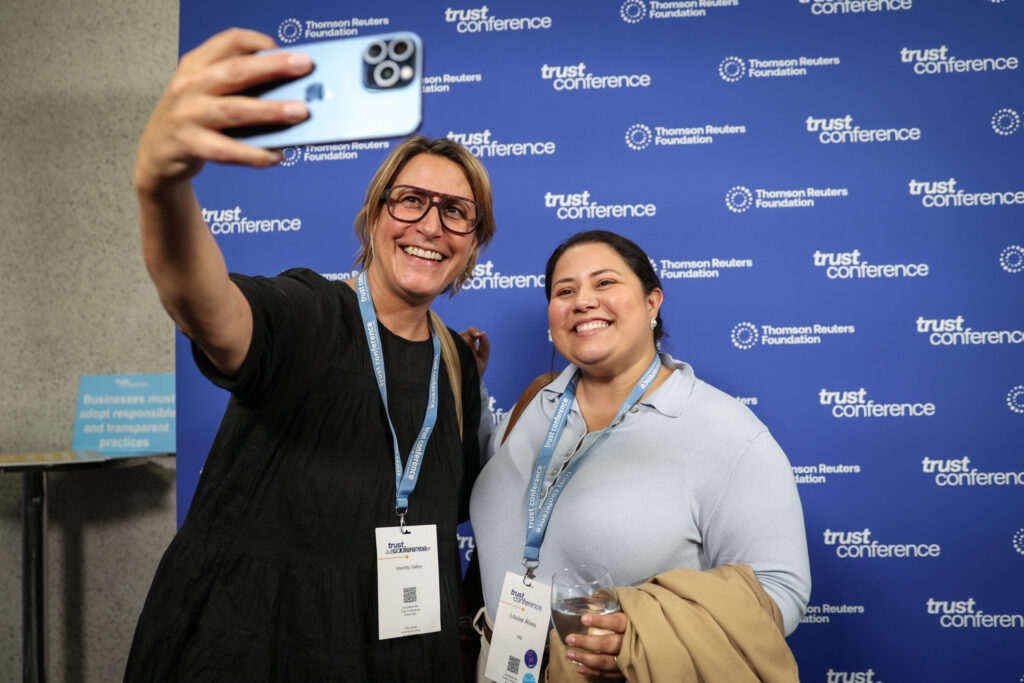
How to make your event work harder: before, during, and after the day