Impactful Charity Events: The Guide
How to upgrade a flagship event
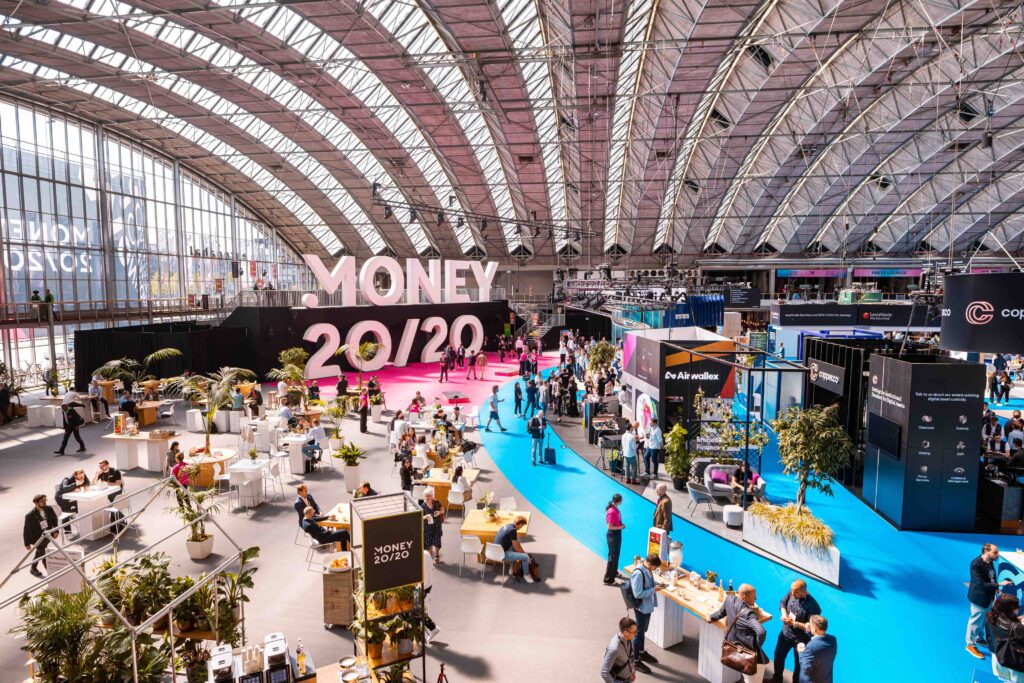
Flagship events carry a particular kind of pressure. They are often the biggest moment in the calendar: the place where customers, partners, colleagues, industry, and prospects come together to hear the organisation’s point of view, build relationships and experience the brand at its most visible.
They are also, very often, established. The venue may be familiar. The core format may be proven. The audience return year after year. That creates a tension: how do you make the event feel fresh and worth prioritising without changing the things that have made it successful?
The answer is not to reinvent everything. It is to evolve the event with intention.
Familiarity is an asset, not a failure
There can be a temptation to treat repetition as the enemy. But familiarity has real value, particularly in B2B.
A returning audience knows where they are going, understands what the event is for and can arrive with confidence. Your internal teams know the rhythm. Operational knowledge compounds each year: what flows well, where bottlenecks form, which moments create energy and which details matter most to delegates.
That consistency builds trust. And for many flagship events, trust is one of the most important outcomes.
The issue is not that the venue, date or broad format remains the same. The issue is when the experience becomes predictable in the wrong way: when guests could describe the event before they arrive, when the programme is delivered rather than experienced, or when the brand has nothing new to say.
The best annual events balance reassurance with renewal. They give people the confidence of a well-run, recognisable occasion, while ensuring there is always a reason to return.
Start with the outcome, not the upgrade
Before discussing a new stage design, a more ambitious registration experience or an exciting piece of technology, return to the question that matters: what job does this event need to do this year?
A flagship event may be expected to:
- Strengthen client relationships
- Demonstrate expertise and leadership
- Bring a new strategy or proposition to life
- Create space for meaningful conversations
- Build confidence during a period of change
- Generate content and advocacy beyond the day itself
These priorities can shift from year to year, even when the event’s overall purpose remains the same.
That means the upgrade should not be a list of new features. It should be a response to a clear strategic need. If the goal is deeper client connection, the answer may be better hosted conversations and more thoughtful networking design. If the organisation needs to feel more progressive, the answer may be a more dynamic content format, stronger audience participation or a bolder visual identity.
A good question for every planning team is: what do we want people to think, feel or do differently after this year’s event?
Find the moments that matter most
Not every part of an event needs to change. In fact, trying to upgrade every touchpoint can dilute both budget and impact.
Instead, identify the moments that shape a delegate’s memory. These are often not the most expensive or complex elements. They are the moments where expectation meets experience:
- The first impression on arrival
- The moment the event’s central idea becomes clear
- The point at which a speaker or story genuinely lands
- The quality of the conversations between sessions
- The final interaction that leaves people feeling valued
These moments are where a relatively focused investment can make the biggest difference.
For a long-running conference, this might mean rethinking the arrival journey so it feels less transactional and more like entering a distinctive brand world. It may mean creating a stronger opening that gives the day greater momentum. Or it could be as simple as designing better spaces for clients to sit, meet and continue conversations that would otherwise be rushed in a corridor.
The point is not novelty for novelty’s sake. It is making the event feel considered from the audience’s perspective.
Use data and feedback as a design tool
An established event has an advantage that a new event does not: it has a history.
Previous attendance data, session popularity, survey feedback, anecdotal comments and the experience of the event team all offer useful clues. The challenge is to move beyond asking whether people “enjoyed” the event.
Look instead for the friction and the missed opportunity:
- Where did people spend their time?
- Which sessions generated the strongest engagement?
- Where did the energy drop?
- Which audience groups were less well served?
- What did delegates want more time for?
- What conversations did the event create after the day had ended?
This is where an event can be improved with precision. You do not need to make assumptions about what will feel new. The audience is already telling you where the experience can become more valuable.
Refresh the format, not just the décor
Visual evolution matters. A fresh identity, a more confident stage environment and more considered wayfinding can all signal that the event is moving forward.
But the most meaningful upgrades often happen in the programme.
Many flagship events still rely on a sequence of presentations, panels and breaks. That structure may work, but it should not be accepted by default. Audiences now expect more relevance, pace and participation, particularly when they are giving up a full day away from their desks.
There are many ways to create variation without losing the authority of the programme:
- Shorter, more focused presentations with a clear point of view
- Fireside conversations that reveal a more human perspective
- Live audience questions that shape the discussion
- Expert “deep dives” or smaller breakout sessions around specific interests
- Hosted peer-to-peer conversations rather than unstructured networking
- Lighter moments that reset energy and make complex topics more accessible
The right format depends on the audience and the subject matter. But the principle is universal: people are more likely to remember what they participated in, not simply what they watched.
Design for the weeks after the event too
A flagship event should not end when the last guest leaves.
The content, conversations and momentum created on the day can extend its value significantly. Key insights can become articles, short videos, social content, follow-up discussions or client communications. Speaker moments can be repurposed. Delegate questions can inform future content. The event can become a platform, rather than a one-off date in the diary.
This also changes how the experience is designed. If you know you want to create content afterwards, you can build in opportunities to capture it well: short interviews, audience reactions, expert commentary and visually strong moments that translate beyond the room.
The most successful flagship events are not simply annual gatherings. They are a visible expression of a brand’s ongoing relationship with its audience.
Evolve with confidence
The goal is not to make a flagship event unrecognisable. It is to make it feel current, purposeful and increasingly valuable.
Keep the elements that earn their place: the trusted venue, the familiar rhythm, the parts your audience genuinely looks forward to. Then be deliberate about where you introduce change.
A stronger narrative. A more engaging format. Better moments for connection. A sharper brand presence. A plan for the value that continues afterwards.
When an event has been running for years, evolution is not a sign that the previous version was wrong. It is a sign that the relationship with the audience matters enough to keep investing in it.
That is what makes an annual flagship event feel less like a repeat performance, and more like an occasion people will not want to miss.
Broadsword produces leading industry events for large financial services and innovative fintech brands. Take a look at flagship corporate events in our case studies here.
Related insights
How to make your event work harder: before, during, and after the day
![two women take selfie against branded backdrop]()
How to make your event work harder: before, during, and after the day