How to make your event work harder: before, during, and after the day
Charity events play an important role in helping organisations raise funds, build awareness and bring people together around a shared cause.
From fundraising dinners and awards ceremonies to conferences, supporter events and community gatherings, charity events can take many different forms, but all have the potential to create meaningful connections between charities and the people who support them. The real opportunity is to create an experience that moves people towards your organisation’s purpose.
At Broadsword, we’ve planned and produced thoughtful charity events including British Independent Film Awards, and Mind Media Awards, as well as working with Thomson Reuter’s Foundation, The Women of The Future Programme, and Royal British Legion for many years to produce their events. We also won Gold: Diversity and inclusion for our work with Scope on their Disability Awards.
The first step of planning a charity event is defining what the event is there to achieve. Whether it’s to increase awareness, recruit sponsors, raise money, or build relationships with donors; a charity event can have a huge impact.
A clear purpose should sit at the heart of your event strategy and guide every decision that follows. Define who the audience in the room will be, your primary event objectives, and the action you are driving your audience towards.
Your desired change should inform the experience you create, meaning every element of the experience will support the outcome you are trying to achieve.
One of the biggest strengths of a live charity event is the feeling of being together around a shared purpose. But to do this you need to ensure your audience are actively involved through gamification, merchandise, networking activities, and social media moments. Think about the touch points where an audience member can make a commitment, join a conversation, or connect with someone relevant in an engaging way.
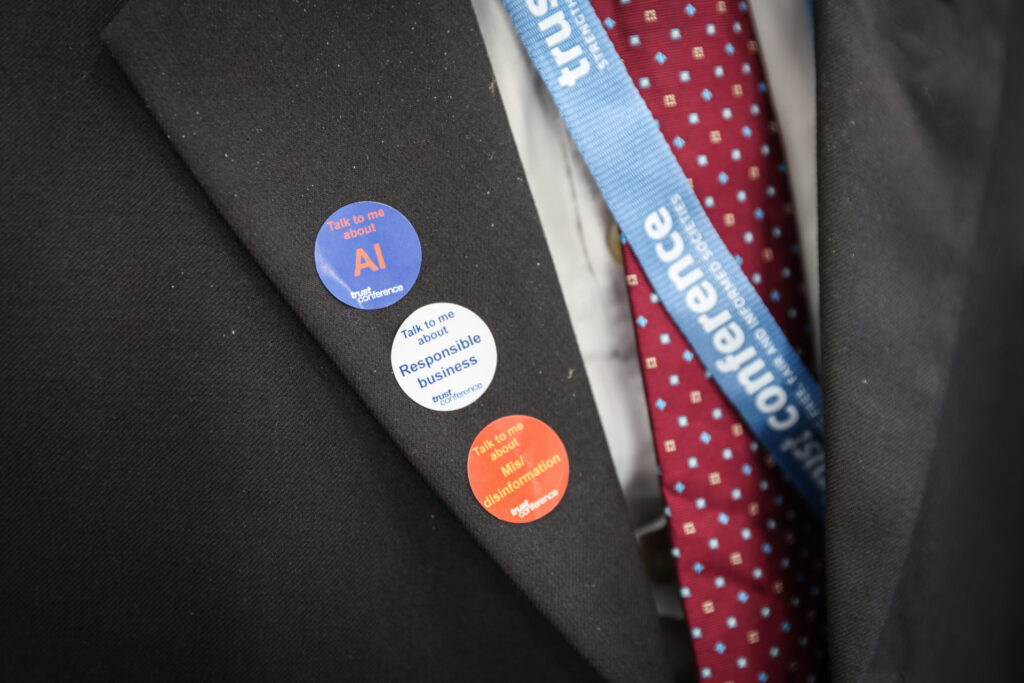
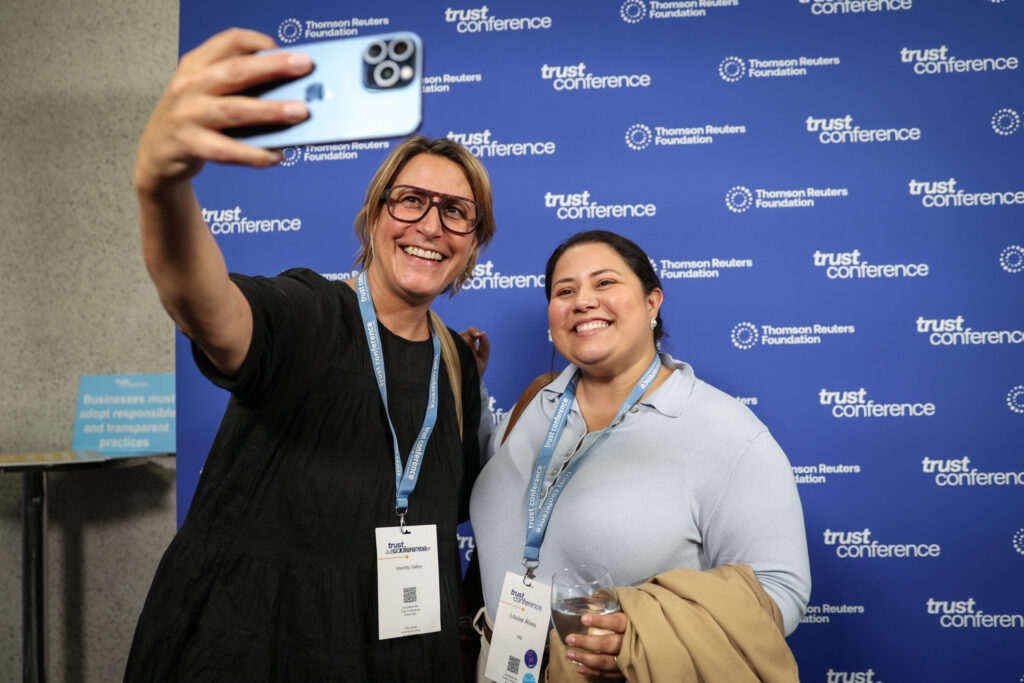
For Trust Conference, attendees could choose colour-coded stickers to wear that acted as an icebreaker by displaying which topic they were interested in speaking about and making it easy to find peers with common interests.
Charities can use gamification at events to make fundraising more fun, interactive and engaging for participants. This could include challenges, quizzes, competitions, leaderboards or reward systems that encourage people to take part and raise more money. For example, attendees could earn points for completing activities or reaching fundraising targets. For one event we produced, participants had passports that were stamped as they completed activations around the event.
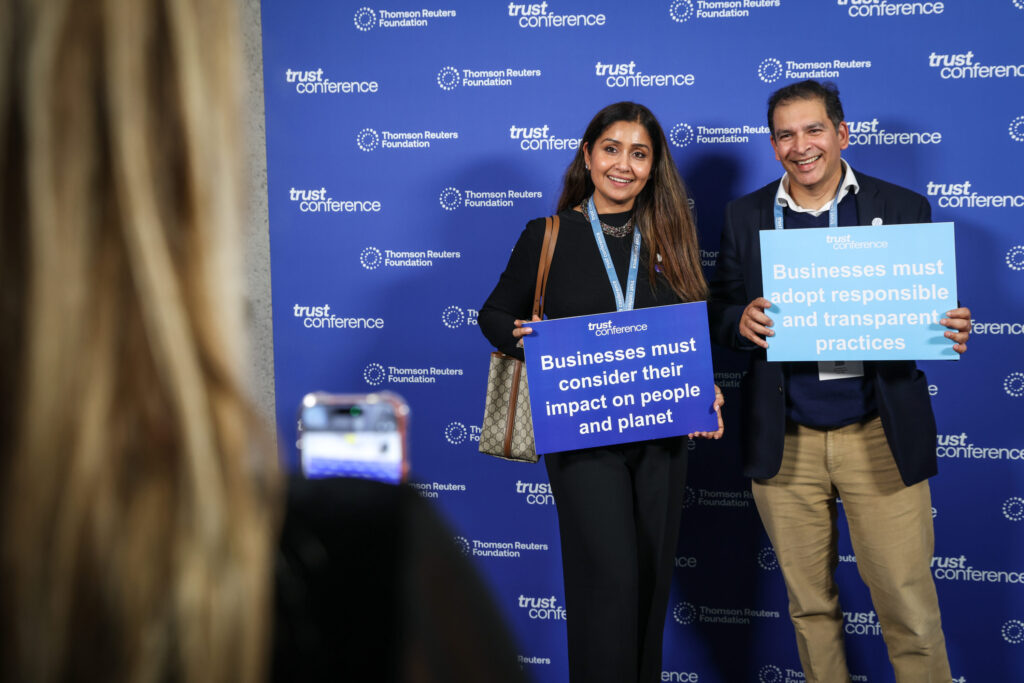
Charities can use content capture and social media moments to showcase the real people, stories and connections at their events, helping to keep the experience community-centric. Setting up interview areas and photo opportunities and encouraging attendees to share their own content can also extend the event beyond the day.
Charities can maximise the value of their event budget by focusing spending on what is essential and finding creative ways to reduce or share costs without compromising the attendee experience.
For example, Scope moved its awards event from central London to the more accessible Twickenham Stadium and changed the format from a full-day event to an afternoon tea, helping to manage costs while maintaining a strong delegate experience.
Charities can also negotiate flexible venue rates, consider charity discounts, use local suppliers and, importantly, involve sponsors and partners to fund enhancements such as a drinks reception, keynote speaker, entertainment or merchandise.
We can help you find the perfect venue that fits your event brief, scale, budget, audience, brand, timeline, accessibility requirements, and production design through our venue finding services.
For charities, an event space should do more than provide a backdrop. It should help bring the organisation’s purpose, agenda and message to life.
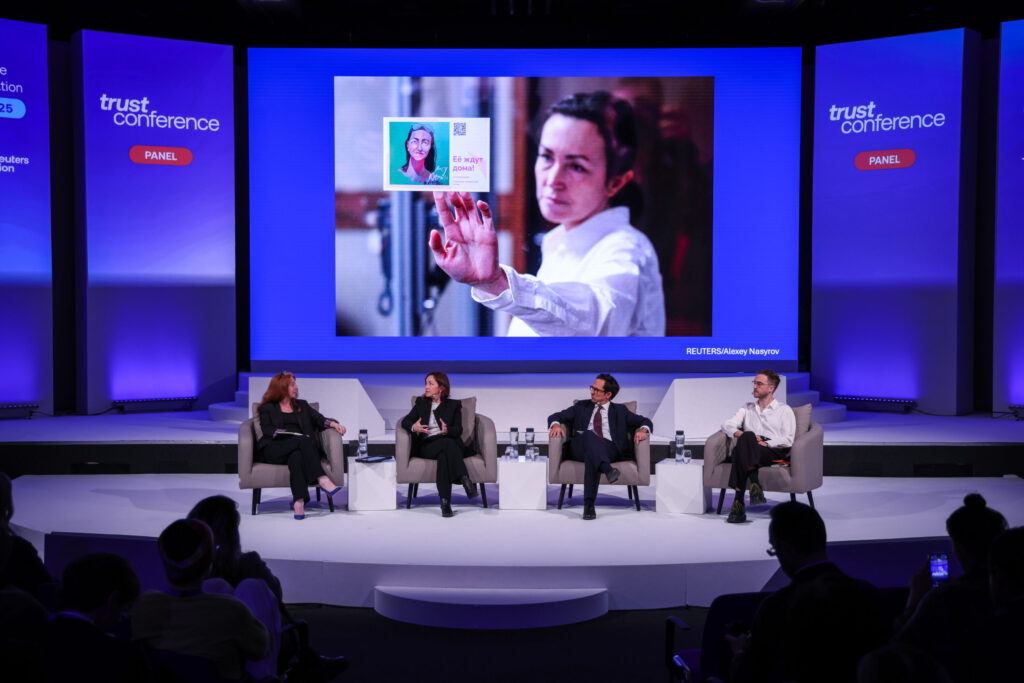
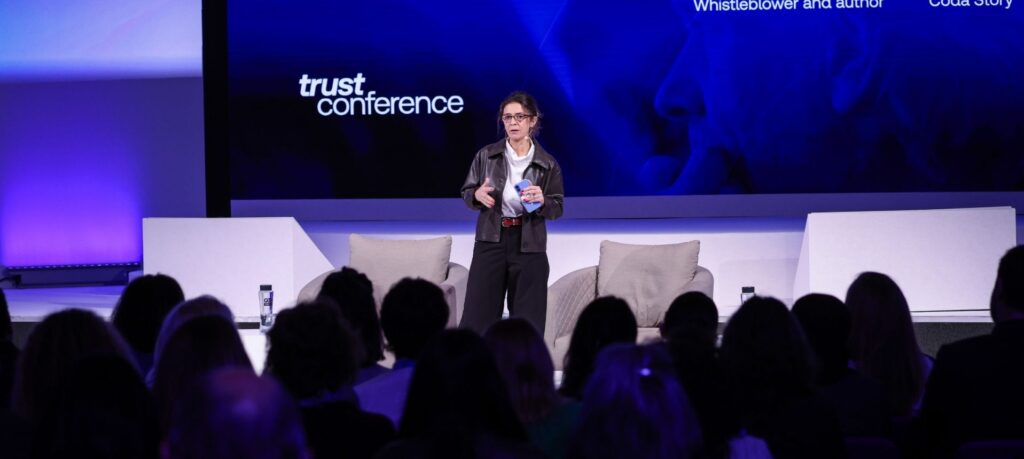
Think about high-end production, bespoke stage design, and engaging on-screen content that will bring your message to life and capture attention, and emotional engagement.
Thoughtfully designed stages, impactful visuals and carefully curated content can give powerful agendas greater presence, while creating the right setting for influential speakers to connect with audiences and inspire action.
By combining strong creative design with considered production, charities can transform an event from a series of presentations into a memorable experience that amplifies their cause, strengthens their brand and leaves a lasting impression.
Charities can use partnerships strategically to increase the impact of their events while reducing the pressure on their own budget. Sponsors and partners can be offered opportunities to fund or support specific elements of an event, such as a drinks reception, keynote speaker, entertainment, giveaways or merchandise. This approach not only helps spread the cost but can also create greater value for the partner by giving them a meaningful role in the event.
Charities should therefore consider which aspects of the event could be attractive to existing partners and sponsors, and use these relationships to enhance the attendee experience without having to fund every element themselves.
At one financial conference we delivered, the organiser partnered with industry specific charities, Women in FinCrime and STOP THE TRAFFIK – an organisation committed to disrupting human trafficking through intelligence-led prevention. Attendees could visit their stands which reflected a shared focus on translating insights into action and amplified the purpose of the event.
We also recommend choosing an impactful venue or event activity where you can. For example Broadsword has partnered with Luminary Bakery and Clean Break Theatre to host events in their spaces while increasing the social impact of an event. We’ve also hosted charity workshops such as Helping Hands: where our team built prosthetic hands for people who need them in low-income countries
As a B Corp events agency, we utilise impactful partnerships and event suppliers from a community of businesses working to benefit people and planet.
What is a charity event?
What types of charity events can Broadsword manage?
An event agency can manage a wide range of charity events, including fundraising events, awards ceremonies, conferences, supporter events, networking events, campaigns, receptions and hybrid or virtual events. The format should always be shaped around the charity’s objectives, audience and available resources rather than simply following a standard event model.
How can Broadsword support charity event planning?
Charity event planning involves creating and delivering an event that supports a charity’s wider objectives, whether that is raising income, increasing awareness, strengthening relationships or encouraging a specific action.
A charity event agency can support charities across the full event journey, from strategy and creative development through to venue sourcing, production, event delivery and post-event activity. An agency can also help charities make their budgets work harder by identifying cost-saving opportunities, managing suppliers, developing partnerships and ensuring that every element of the event contributes to its overall objectives.
How do you measure the success of a charity event?
The most effective way to measure success is to agree the key objectives before the event and choose two or three meaningful measures. Depending on the purpose of the event, these could include income raised or return on investment, audience reach and engagement, new sign-ups or donations, content engagement, attendance, or longer-term relationship building. It is also important to consider what people do after the event, as this can demonstrate whether the event has created lasting value.
How to make your event work harder: before, during, and after the day