
The Step-By-Step Guide to High-Impact Event Strategy
Why digital-first brands are moving marketing offline
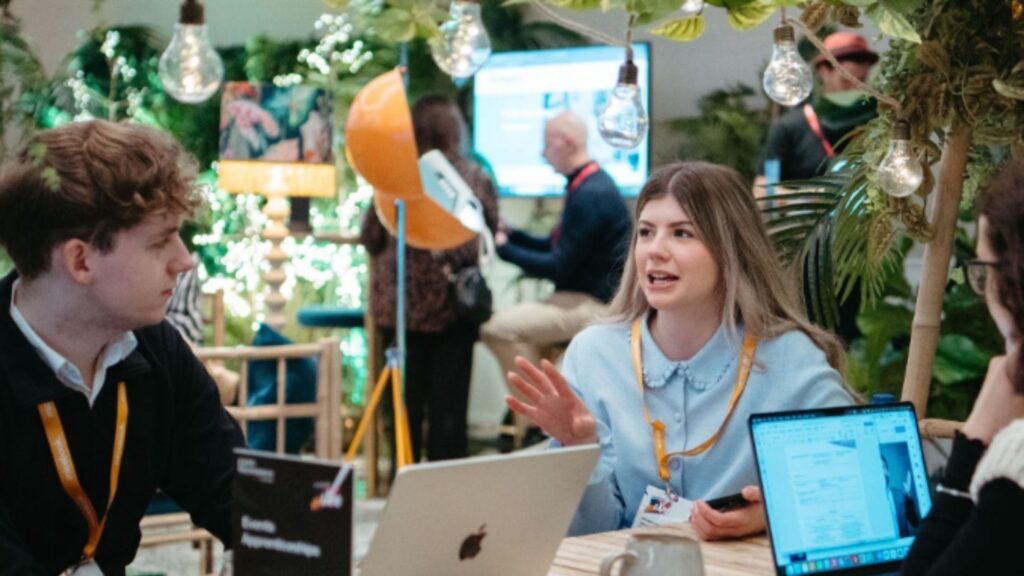
In a world increasingly shaped by artificial intelligence, the most powerful thing a brand can do is bring people together.
Engagement is an increasingly central focus in marketing which has, at the same time, become increasingly difficult to capture in the digital environment.
We live in a world where brands can reach millions of people, produce content in seconds and use artificial intelligence to personalise communications at scale. Yet, despite these opportunities, capturing meaningful audience attention has never felt more challenging.
This has led digital-native brands to extend their marketing strategies beyond digital channels, investing in experiential marketing, brand activations, pop-ups and live events to bring their online worlds to life.
While completing her degree apprenticeship with Broadsword and London South Bank University, Broadsword’s Senior Digital Marketing and Content Executive, Amy Weir, explored why digital-native brands are moving offline. Her first-class dissertation examined how brands are creating physical environments and using live events to capture attention, encourage active engagement and build meaningful relationships with audiences.
She discusses some of the insights and key takeaways she found on the rise of experiential marketing below.
From URL to IRL: Why Are Digital-First Brands Moving Offline?
“Brands are seeking to build meaningful relationships, yet they are facing ad fatigue, declining trust, and passive engagement with traditional digital advertising; with the majority of users deliberately avoiding visibly interacting with brand content and avoiding ads.
Audiences can access content when, where, and how they please; making audience attention increasingly fragmented across a saturated online space. This comes as users report that their social media usage is less focused on being social, and more for passive habitual scrolling, reflecting an increasingly concerning shift toward low-quality content consumption deemed as ‘brain rot’.
This presents an online environment that has come to be defined by short-lived interactions rather than meaningful connections. As it’s getting harder to engage with audiences, it’s crucial for businesses to go beyond the digital space to build meaningful relationships”.
The rise of event marketing
“Experiential marketing has emerged as a key strategy to create immersive, engaging offline experiences and despite digitalisation, has thrived. Advertising spend on traditional media has declined while spending on experiential marketing rose by almost 8% in 2025, with events emerging as the leading channel for greater marketing investment.
Simultaneously consumers are turning towards experiential consumption, investing in events, entertainment, and community activities. Dubbed as the experience economy, spending on goods versus experiences has diverged sharply. As customers seek out human recommendations at the expense of algorithms, spending on streaming has declined to fund experiences. The rise of brand events reflects high customer motivation to participate voluntarily despite knowing those events are specifically designed to communicate the same brand messages they usually tend to avoid.
Events bring digital brand experiences offline to deepen engagement, with over half saying they drive more business value than other channels. Digital native brands – including Netflix, Pinterest, Snapchat, Canva, Wise, Monzo, and Claude – are investing in experiential marketing as a brand building strategy to capture engaged audiences. Netflix has launched live events and pop ups for over 10 million fans and opened their first permanent venue: Netflix House. This shift is shaping contemporary integrated marketing communications”.
Why are live events effective for digital brands?
“There is a growing recognition of the role of emotional connection, attachment, and brand activity in shaping purchase intention beyond short-term promotional effects.
Engagement, as inherently interactive and co-creative, cannot take place where there is a passive audience. It describes a deeper level of interaction beyond purchase behaviour, reflecting the time and effort customers invest into brands through interaction as well as consumption.
Brand experience can be defined as the sum of all encounters and the subjective responses (sensations, feelings, cognitions, and behavioural responses) a customer has with a brand. Through the experiences they deliver, brands signal who they are.
Audiences register, recall, respond and even identify with these signals (especially if they resonate emotionally) but the strength of an audience member’s recall and identification with a brand is driven by the strength and depth of their brand experience.
Therefore, strong brand relationships and brand loyalty emerge from frequent positive interactions with a brand that provide sensory and intellectual stimulus.
Weak experiential brands are described in terms of their functionality and price – benefits that can be easily replicated in an online context. Brand experiences influence perceptions that go beyond customer satisfaction, helping to shape brand personality, strengthen brand equity and create meaningful differentiation. This gives brands a stronger foundation for long-term success.
For online brands, concerns have arisen over trust and uncertainty, especially for experience products: those whose prominent attributes are experienced through physical interaction over factual information. Yet an offline channel can significantly impact online user expectations and intentions.
Event marketing, defined as the interactive communication of a brand through multisensory and extraordinary experiences in which customers are actively involved, targets these affective responses, perceptions and feelings. Brand events trigger positive emotions, senses, and intellect; and link these positive qualities to the brand, facilitating recall across channels”.
How to bring a digital brand to life through an event
“In offline brand experiences, where customers can move beyond passive viewing, immersive brand worlds and community connections emerge as key themes and strategies for driving engagement. Community engagement, emotional engagement, and sensory engagement are uniquely strong in the offline setting.
Interactive touchpoints are used to build deeper engagement than purely online interactions because they provide immersion, emotional connection, and social interaction to meet fans’ desire to invest their time offline.
Elements such as exclusivity, feedback, memorable experiences, merchandise and gamification activate cognitive and behavioural responses. For example merchandise helps to create emotional attachment.
The tactics used demonstrate adaptation to the offline channel, shifting from direct advertising to a relationship-based value exchange where the customer benefits from a range of entertainment and brand activities.
Fans are not recipients of these experiences but active co-creators through social sharing, gamification, online conversations, and feedback.
The shift to an experiential approach motivates customers to participate in a way they tend to avoid from online brand messages, including buying merchandise and sharing the story online. The value of spending time in a brand’s physical space goes beyond the immediate interaction. Unlike scrolling past an advert on a social feed, attending an event gives customers the opportunity to actively engage, form emotional connections and develop longer-lasting relationships with the brand.”
Related insights
How to make your event work harder: before, during, and after the day
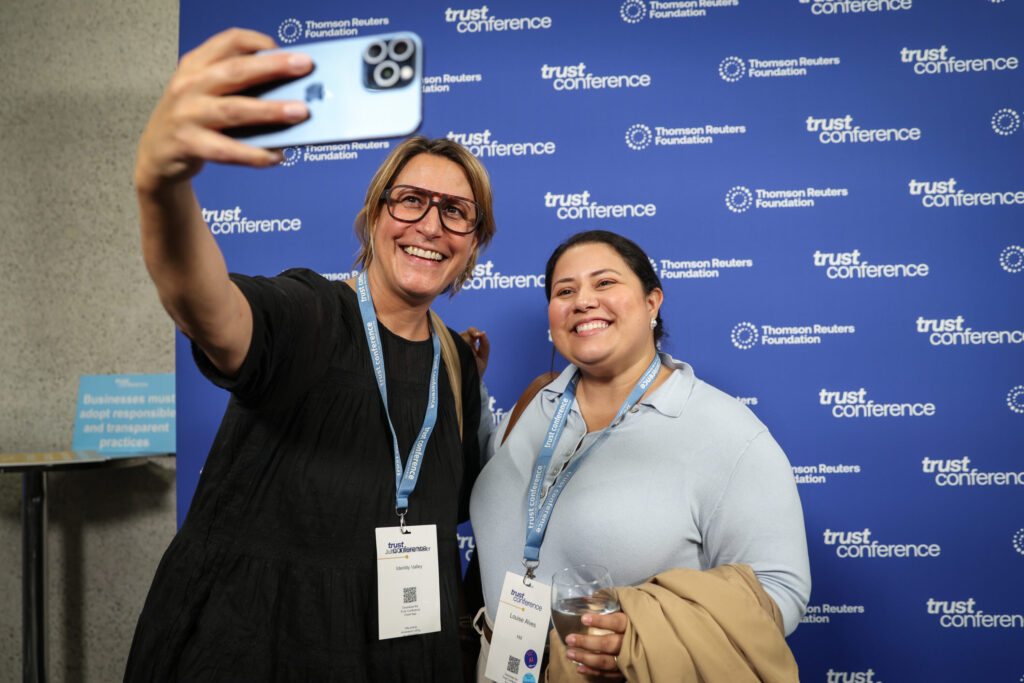
![two women take selfie against branded backdrop]()
How to make your event work harder: before, during, and after the day