Finance & Fintech Events: The Complete Calendar
Broadsword's Guide to Planning Accessible Events
The overall goal of accessibility and inclusion in events is to remove barriers to participation. We all experience the world in different ways, so it is not just about removing physical barriers but providing equal access to the same networking opportunities, educational content, celebrations, and conversations for every person regardless of their physical or cognitive abilities. Only by actively engaging different perspectives can we challenge and stretch thinking and enrich the experience of our attendees, no matter their background. It’s listening to those with lived experiences and creating the space for voices to be heard.
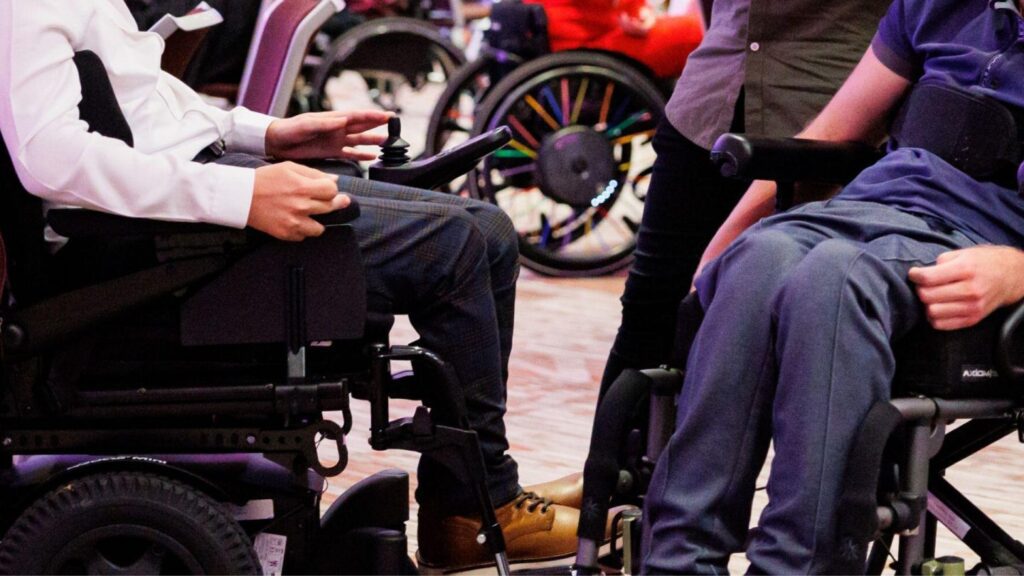
This was truly brought to life when we were tasked in producing a Disability and Equality Awards in collaboration with Scope in which two thirds of attendees had complex disabilities and needs. Working closely with a group of accessibility champions, we were extremely proud to create a safe space for the disabled community. It was a privilege to work on the experience, for which we won multiple awards including Gold: Diversity and inclusion, and an eye opener on how we do things inclusively and led to the production of the below resources.
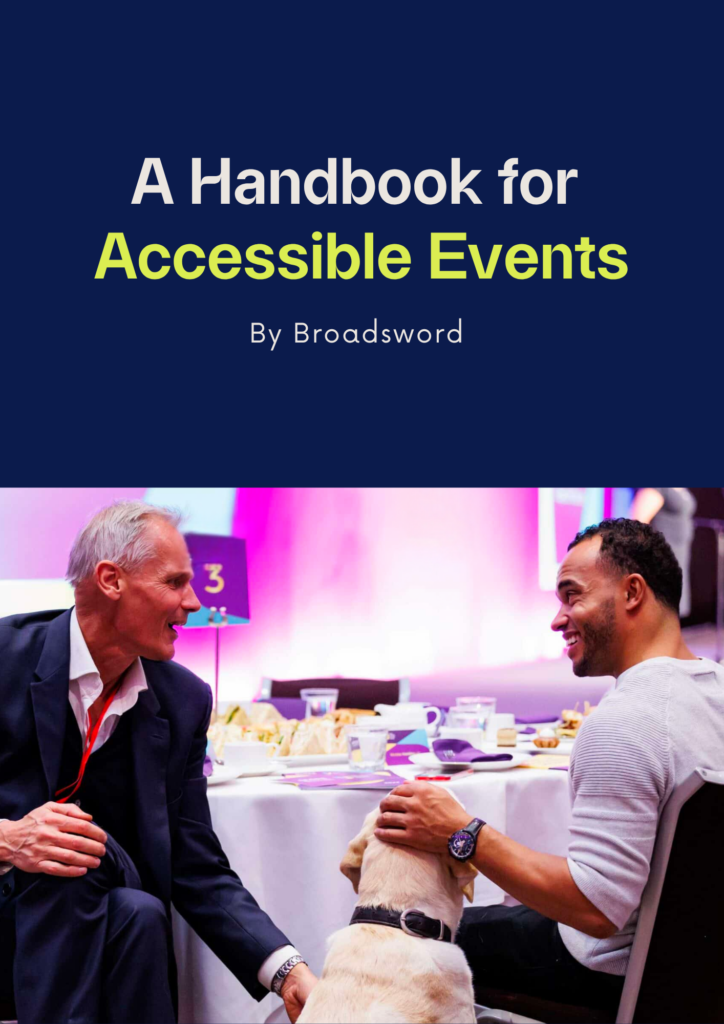
What’s included in these guides?
- The go-to accessible venue checklist
- Actionable tips and guidance for planning more inclusively across planning, promotion, and production of events
- Spotlight on the venues and suppliers leading the way on accessibility and inclusion
- An interview with an access and inclusion educator
- Foster your understanding of accessibility best practices and foundations to get started
- Read how Broadsword, as an event agency, is approaching accessible event planning and inclusive practices
Access the downloadable guide: The Basic, Better, Best Guide to Accessible Event Planning
Planning: the venue search
We plan each element of an event meticulously, with backup plans in place, for those just-in-case moments. Yet, too often, accessibility is only planned if it’s requested. This way, it ends up being so close to the event date that you find yourself in a position where you cannot provide the access required for someone to attend. The first step to an accessible event is being proactive.
Below are some things to check for on your initial venue search or starting to think about making an event more accessible beginning from the attendee’s journey to the venue. You can access and download the full list in our guide.
- Large high contrast signage with braille
- Accessible parking on site, drop off points, and reserved spaces
- An accessible main entrance, or safe alternative entrance
- Level and firm ground leading to the venue
- Close by, accessible transport links
- Accommodation with elevators and wheelchair friendly rooms
- No columns that obstruct sight or mobility
- Step free access throughout (with easily accessible elevators)
- Doorways and walkways wide enough for a wheelchair (minimum 32in)
- No steps or lips that prevent wheelchair access to key areas
- Ramps with handrails on each side and a gentle gradient (1:20)
- Accessible fire-escape routes and visual fire alarms
- A room that can act as a low-sensory space
- Flexible seating arrangements
- A working loop system in your meeting room for hearing aid users
Spotlight: WelcoMe is an online tool to find accessible places where visitors can browse a directory of venues and share their accessibility preferences with venues. It allows visitors to know what to expect as well as discover places that are accessible to them. It allows businesses to understand individual needs and receive tips on how to assist with these needs. Explore here.
Promotion: accessible content
Creating a safe space for all attendees starts with your event promotion. Active listening and excellent communication continue to be key and you shouldn’t be afraid to open up the conversation around accessibility or ask for more details to ensure attendees get what they need.
Event marketers can ensure all content, digital assets and resources are accessible by adhering to the Web Content Accessibility Guidelines (WCAG) , which includes guidance on readable fonts, contrasting colours, link guidance, captions and audio descriptions. Content can be customised to attendee needs for example, you can allow attendees to adjust the font size and use screen readers.
Communication to attendees that their needs matter is integral, and in turn enables you to better understand how someone might be excluded from an experience, providing valuable insight.
An example of being proactive rather than reactive is including details on the accessibility of the event when promoting the event and communicating with your attendees. The more you can share in advance, the more comfortable, welcome, and prepared attendees will feel. This could be a know-before-you-go guide including venue maps, FAQs, and policies on accessibility. This encourages attendees to register and prevents issues on the day.
Your event information should include links to accessible transportation routes and offer an accessible shuttle service that guests can sign up to for getting to off-site activities such as evening entertainment and networking.
Registration: Use your registration process as an opportunity to learn about your audience and their needs and help you prepare for additional requirements. For example including a checkbox for service animals or personal care assistants, and leaving forms open for more suggestions – are key to ensure you can put in place preparations for additional attendees. As everyone’s needs are individual, accessibility is an ongoing conversation and listening to your attendees throughout is the crucial for an accessible event. Encourage guests to get in touch and share their perspectives, concerns, and requests they have. There should be clear points of contact, and multiple ways to get in touch on the site.
Virtual events present access barriers of their own and aren’t inherently accessible for everyone. Accessibility means different things in a virtual environment compared to a physical one, and the type of event you choose to put on will ultimately inform the kind of resources required to make it happen. There a number of digital accessibility requirements to consider such as site functionality and the WCAG guidelines.
Event technology can be instrumental such as the use of AI to remove budget barriers through transcription tools that provide an alternative to a live transcribe for those with a smaller budget. We’re always working to find solutions and partners for varying different budgets.
Production: The audience experience
Looking at your agenda: A key consideration is ensuring there are regular breaks and quiets paces. If you are including an exhibition space, exhibitors should be given standards for accessible stands that align with the standard of the rest of the event. Staff at registration areas should be trained on disability etiquette, accessibility protocols, and assistance techniques. For lunch time, provide the option of accessible cutlery, such as cups with handles and bendable straws.
Layout of the space: All of your attendees should be able to navigate freely throughout your event activities and if you have wheelchair users attending, there should be ample space. As a guideline, think of a wheelchair user trying to turn around in a walkway. For this reason there needs to be a minimum space of six feet in corridors and thoroughfares. Seating areas should have gaps for wheelchairs and you need to consider extra companions in your seating chart plans. The tables in which the wheelchair users will be sat should be between 30 and 34 inches in height and have at least 27 inches of knee clearance, with table cloths kept short.
Some other considerations include:
- A stage with ramped wheelchair access
- A well-lit, visible space for an interpreter
- Sanitising stations and touch free registration
- Extra seating in waiting areas and walking routes
- Extra space on stage
- The heights of lecterns and microphones on stage
Spotlight: The creation of dedicated spaces for attendees to decompress amidst an energised event can make a world of difference for those with neurodivergence. 1 in 7 people are neurodivergent which encompasses a broad spectrum of neurological differences, including Autism, ADHD, and various learning styles.
For actionable tips on how to improve your event planning strategy to become more accessible and inclusive, you can read and download our follow up guide: basic, better, and best approaches to accessible events.
At Broadsword, we deliver award winning events that connect people. Let’s talk about how we can create more inclusive event experiences together. For more personalised recommendations and comprehensive support in planning an accessible event from venue search to accessible stage design, you can talk to Broadsword – a leading events agency in accessible and inclusive events.
The featured flipbooks can be downloaded as a PDF. If you have any problems accessing these with a screen reader, don’t hesitate to contact hello@wearebroadsword.com.