Finance & Fintech Events: The Complete Calendar
How to maximise value when planning an event on a budget
Event budgets are under pressure. Audiences have more demands on their time and attention. And stakeholders want to know what value an event actually delivered beyond attendance numbers.
The answer isn’t necessarily to choose between budget and experience. It’s about making better decisions about where your time, money and resources go.
Diane Carters, Head of Commercial Development at Broadsword dove into this topic at The B Corp Agency Alliance Support Session, a webinar focused on supporting planners who are facing the pressures of doing more with limited time, budget and resource.
The session focused on a simple principle to use when budgets are being challenged:
Every element of an event needs to earn its place.
That doesn’t mean removing everything that makes an event enjoyable or memorable. It means being clear about what matters, protecting the essentials and making the value of the event extend beyond the day itself.
How to create more value from your events: before, during and after the day
Step one: Define what value means at your event
The easiest way to waste an event budget is to start spending before you’ve defined what success looks like. Before choosing your venue, speaker or production, answer five questions:
Who is the event for?
What is its primary objective?
What change do you want to create?
What action do you want people to take after the event?
How will you measure success?
These questions give you a framework for defining success first and making decisions second. This will help you make better choices about where to invest, and give you the evidence you need afterwards. Once those decisions are clear, every element of the event can be judged against them. If an idea doesn’t contribute to your objective, ask whether the money could work harder elsewhere.
Framework: Protect, enhance and extend to maximise value
A useful way to prioritise an event budget is to put every element into one of three categories.
Protect what works
These are the essentials that make your event work such as the venue, prep time, technical and production quality, accessibility, and the agenda. This is where you shouldn’t cut corners. For example, there’s little value in investing in a brilliant programme if people can’t see the content, the sound isn’t clear. Tip: Before contracting a venue, understand the full cost of staffing, internet, access time, equipment and mandatory suppliers.
Enhance the experience
These are the elements that deepen the experience. Perhaps that’s a compelling speaker, a powerful story, or an interactive activation. The key is to choose enhancements selectively based on the purpose of the event.
Extend beyond the day
These are the things that create lasting value beyond a single day. Think about what you’re creating at the event that can continue to work afterwards across channels: an interview, a supporter story, a powerful quote, photography, video, a report, social content or insights from the room. The aim is to create content and relationships that continue working after the room has emptied.
Smart ways to cut costs at your event
There are plenty of ways you to reduce costs without reducing the quality of the experience.
Rethink your event venue
The venue is often one of the biggest areas of event spend, so it’s worth speaking to your venue and challenging the default option. Do you really need to be in the centre of London or is there an accessible venue on the outskirts? Can you use the same venue for multiple events to negotiate a package deal? Could a date change to a quieter period or less popular day give you a better rate?
Rethink the event format
Do you need a full day? Could a shorter event or half-day work the same? You don’t have to repeat the same format simply because you’ve done it before. Ask your attendees for feedback on which sessions were most useful, their energy levels during the day, and honest opinions on what could be cut out.
You could also think about changing the format to a virtual event, which can be particularly effective if your objective is to reach a wider audience.
Work with local event suppliers
Local suppliers can open up cost-effective options for production, catering and entertainment. Explore what’s available in your area rather than automatically looking further afield. There can also be opportunities to work with social enterprises and even schools.
Broadsword, for example, has worked with the Guildhall School of Music and Drama, where students can provide entertainment for events. These kinds of partnerships can create impactful and distinctive experience while giving you cost-effective alternatives to traditional entertainment options.
Work with sponsors and partners
If you have sponsors or partners, think beyond simply putting their logo on a backdrop. Could a partner sponsor a keynote speaker or stage, the drinks reception, an interactive exhibition, or merchandise. This can help you protect your core budget while giving partners a meaningful role within the experience or relevant suppliers a chance to advertise to your audience while providing you with an additional revenue stream.
Maximising value pre-event: grab attention and build anticipation
People are busy, and even popular events compete with countless other demands on their time. Your communications should therefore build anticipation and make the event feel worth prioritising. Give people reasons to look forward to it.
You could tease the venue, share highlights from previous events, introduce speakers, preview exclusive content or offer something that people attending in person will receive. Give your speakers and attendees assets they can share through their own channels too. Every person involved in the event can help extend its reach.
Your registration process can do more than collect contact details. It can be your first opportunity to involve people in the event. Ask attendees what they’re hoping to learn, which issues matter most to them and what would make the event more valuable. That information can then be used to shape content and understand your audience better. Tip: You don’t necessarily need to opt for a bespoke registration platform. Tools such as Eventbrite and Ticket Tailor can provide the functionality you need.
Ultimately, a no-show isn’t just an empty chair. It represents time, catering, planning and potentially lost engagement. Well-timed reminders can help reduce no-shows and make it easier for people to change their plans. If someone can’t attend, knowing early means you may be able to reallocate their place. It’s a small operational change that can protect the value of your event.
Maximising the value of your event
One of the most effective ways to get more value from an event is to make the content work harder. Identify potential content moments during the planning process. Build speaker interviews and roundtable takeaways into the event plan from the start. That way, the event isn’t just something people experience once. It becomes a source of content that can continue to engage audiences afterwards.
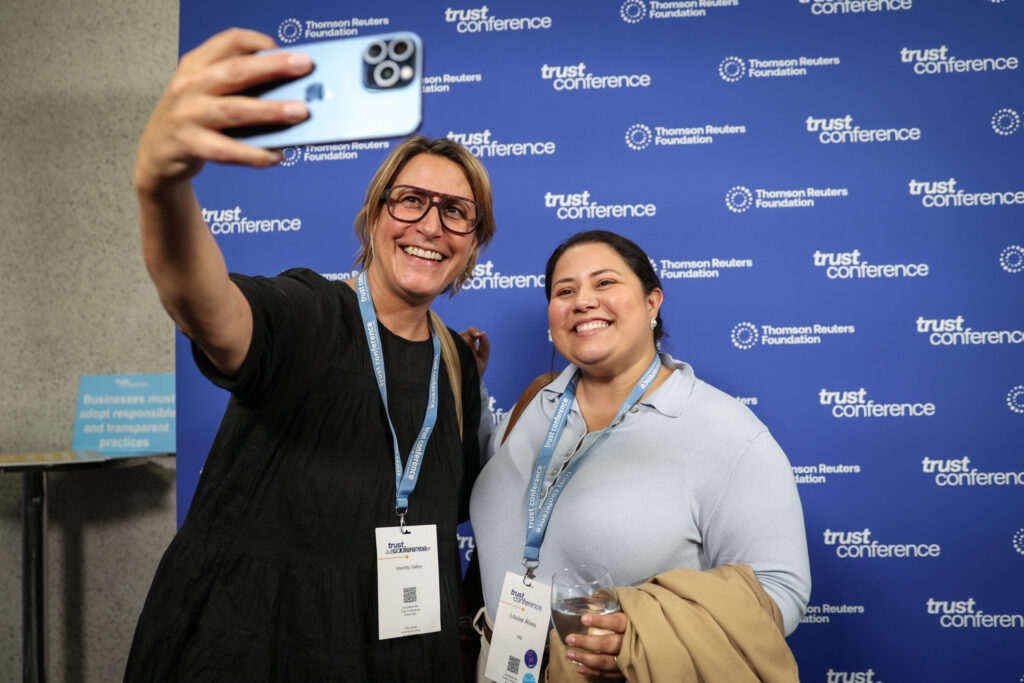
Your audience can also generate valuable content. Giving your audience opportunities to participate and capture content from photo backdrops and props and interactive activities, visually engaging displays, and live interviews, to simple solutions such as QR codes and incentives to post. A well-designed event can therefore become a content engine as well as a live experience.
What role are your attendees playing, and through which touch points can they contribute a question or story, join a purposeful conversation, or connect with someone relevant.
Post-event: Don’t let the value end when everyone goes home
Follow up quickly: This is one of the biggest opportunities to increase event value. You’ve invested in getting people there. Don’t let the relationship disappear the moment the event ends.
- Follow up according to their interests.
- Share what attendees helped achieve.
- Use recordings or AI transcripts to help create fast, useful takeaways.
- Answer questions raised on the day.
- Continue important conversations.
Then give people a clear next step. Instead of: “Thank you for attending.” Try: “Here’s what happened, and here’s what you can do next”.
Finally, if you want to make events work harder, you need to understand what they actually achieved. Depending on the purpose of your event you, choose two or three meaningful measures.
| OBJECTIVE | MEASURES THAT SHOW PROGRESS | HOW TO CAPTURE IT |
| Financial return | Income generated, net return, cost per attendee or donor, conversion | Budget and finance records; ticketing or donation data; trackable links |
| Awareness | Reach, content engagement, message recall | Email and social analytics; one-question poll; post-event survey |
| Audience engagement | Participation, session engagement, follow-up responses | Poll and Q&A counts; platform analytics; follow-up data |
| Behaviour or action | Completed actions, sign-ups, commitments, meetings booked | QR codes and trackable links; CRM tags; booking forms |
| Relationship building | New connections, follow-up meetings, repeat attendance, referrals | Registration history; CRM notes; review again after 30-90 days |
The event value checklist
When new, fun, and exciting event technology is launched during planning, everyone’s talking about immersion and wow factor, a stakeholder has a request, or your competitor is doing something differently: it can be tempting to spend more budget. But, before adding any element to the event, ask:
- Does it support the purpose?
- Does it protect the essentials?
- Will it deepen the experience?
- Will it create value beyond the event itself?
- Can we capture evidence that it worked?
- Is it the best use of our time, budget and resources?
This gives event teams a way to stick to budget and challenge stakeholder ideas based on purpose and evidence rather than personal preference.
Make every event work harder
Making an event work harder doesn’t necessarily mean making it bigger. Running an event on a smaller budget doesn’t have to mean compromising on the experience. It’s about making sure every element of an event earns its place.
The strongest event decisions connect purpose, experience and evidence, creating value that lasts beyond the day.
Whether you’re planning a charity event, corporate conference, awards ceremony, team event, or exhibition, Broadsword can help you make every element count from strategy and creative through to production and delivery. We are a full service agency trusted by organisations around the world to deliver their events through impactful solutions.
Talk to our events team about how we can help you create more impact from your next event.
Download the full resource below