
Designing for the moment at corporate events
Public Sector & Government Events: A Guide to Planning
Public Sector & Government Events: A Guide to Planning
Producing government and public sector events involves many moving parts behind the scenes, making them more complex than a typical conference.
Geopolitical factors, policies, regulations and audience expectations can shift while your event is being planned. However, this gives public sector events an important role. It means that they provide a platform for communicating important messages clearly.
Whether it’s a conference, award ceremony, or live broadcast; a public sector event is a place for meaningful conversations to happen.
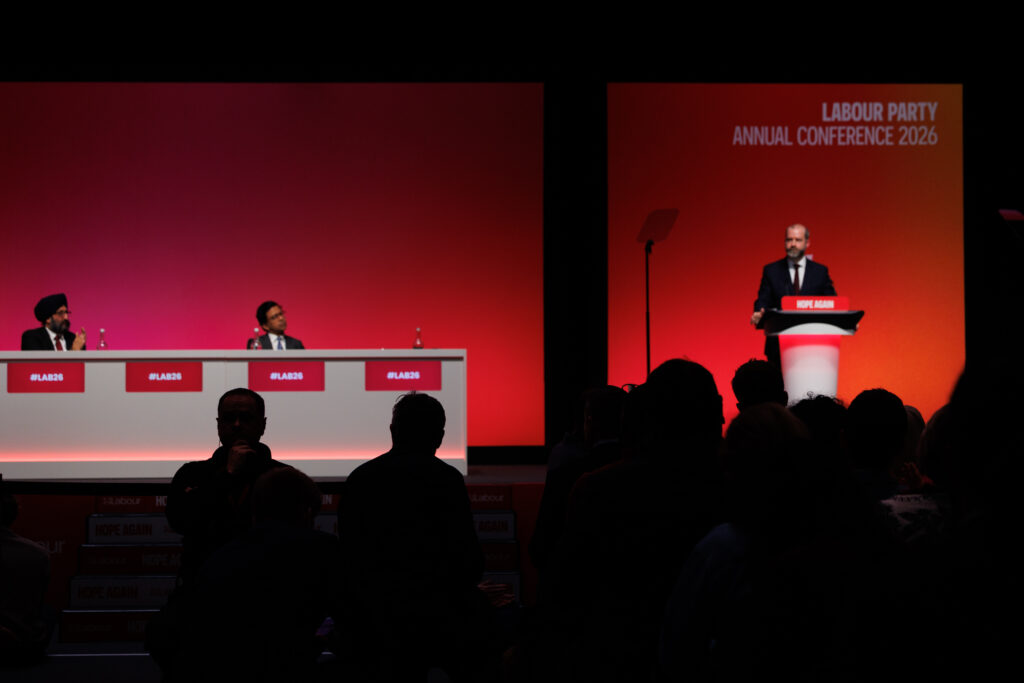
At Broadsword, we’ve produced government events, including The Labour Party’s Annual Conference, for over two decades. Clients trust us to deliver more than 500 fringe events for 20,000 attendees, maintaining the highest standards throughout.
We’ve brought together our insights to create a go-to guide to planning public sector events. It covers everything from procurement and stakeholder management to accessibility, inclusion and security.
What is a public sector event?
A public sector event brings together government, public-service, industry, and other stakeholders to discuss challenges and explore solutions for public services.
These include industry events, policy announcements, public engagement events, local meetings, government conferences, award ceremonies, training days, and stakeholder networking events.
Public sector events can involve a wide range of audiences, each with different expectations. For example, government officials, local authorities, civil servants and public sector employees, members of the public, community groups, organisations, and industry suppliers.
What are the challenges of producing a public sector event?
Government conferences have very little room for error. They bring together senior officials and thousands of delegates, while operating under strict security, procurement, and public scrutiny requirements.
- Accuracy is non-negotiable. Event teams must ensure policy content is accurate, secure the necessary approvals and keep it consistent with published positions. They must also build flexibility into the production plan to accommodate last-minute changes.
- Impartiality applies. Civil service communications must stay within propriety rules, with additional constraints during pre-election periods.
- The audience is often sceptical. Stakeholders at a government event are frequently the people a policy will act upon. They arrive with questions, and sometimes grievances.
- A government conference must withstand scrutiny. Because government events attract significant public and media attention, stakeholders scrutinise factors including spending and social impact.
- Security: Event organisers must build security into every government event, particularly when ministers, senior civil servants, MPs, diplomats and other high-profile guests attend.
- Accessibility is key. The UK Government’s current guidance on communicating with people with disabilities specifically recommends considering accessibility across every aspect of an event, including publicity, venue facilities, staff, speakers and exhibitors.
What makes a successful government event?
How procurement works for a public sector event
Delivering successful public-sector events takes more than great creative and production. It requires a clear understanding of the procurement and governance processes behind them. At Broadsword, we’re experienced in working within framework agreements, Dynamic Purchasing Systems and approved supplier arrangements, as well as navigating the internal purchasing, compliance and approval processes that can shape how public-sector projects are commissioned.
As an approved supplier across multiple public-sector frameworks and procurement routes, we understand both sides of the process. We build compliance, contracting, mobilisation and delivery requirements into our approach from the outset, allowing clients to focus on creating impactful events.

How to build sustainability and social impact into your event
Sustainable corporate event planning involves organising and delivering events in a way that reduces environmental impact while creating positive social and economic outcomes. This includes making responsible decisions about suppliers, event production and waste management.
In events, impact lives in the details. For example, the venues we propose, who we buy from and the people we choose to work with all matter. For example, opting for local suppliers is important to reduce transport emissions. A sustainable and traceable supply chain plays a critical role in helping event planners maintain environmental and social standards.
Broadsword is a B Corp events agency, meaning we consider sustainability in every decision across the event lifecycle and supply chain. B Corp certification holds suppliers accountable for their impact on people and the planet. We aim to work with suppliers who uphold fair treatment of their employees, contribute positively to their communities, and demonstrate sustainable practices.
Working with social enterprises and charities can also create positive impact from your event. There are food redistribution charities to reduce waste, team building activities for a good cause, and crewing companies that support and train people experiencing homelessness.
How to ensure security is up to scratch for a public sector event: Risk checklist
Government events can require additional security considerations, particularly when political parties, senior officials, or sensitive information are involved. Event planners need to consider:
Venue security:
- Building access points, entrances and exits have been identified.
- Restricted areas and staff-only spaces are clearly identified and controlled.
- First aid provision and emergency equipment are available.
- Contractors, suppliers and temporary structures have been assessed for safety risks.
Crowd management procedures:
- Expected attendance numbers are within venue capacity.
- Registration and ticketing procedures are in place.
- Queue management arrangements are in place.
- Stewards, marshals and security personnel have been allocated and briefed.
Emergency and contingency planning:
- Emergency roles and responsibilities have been assigned.
- Key emergency contacts and escalation routes are documented.
- Plans are in place for event cancellation, postponement or relocation.
- Staff and volunteers have been briefed on emergency procedures.
Data protection and photography permissions
- Personal data collected during registration is limited to what is necessary.
- Attendees are informed where photography or filming will take place.
- Appropriate permissions, lawful bases and consent arrangements have been considered.
- Media access and interview arrangements have been agreed.
VIP management and security
- VIP attendance has been confirmed and relevant requirements identified.
- Security requirements have been discussed with security personnel.
- Secure parking, drop-off and access arrangements have been considered.
- VIP holding rooms and private areas have been identified where needed.
How to make events accessible
Government event organisers must consider accessibility and inclusivity standards expected by public sector bodies. UK Government guidance recommends considering accessibility across every aspect of an event, from the beginning of event design.
Ways to make an event accessible include:
- Choose a venue with accessible entrances and step-free access.
- Create a hybrid model event and ensure there are equal opportunities for engagement across the virtual and in-person experiences.
- Invest in accessibility features like sign language interpretation and real-time captioning for all sessions.
- Offer designated quiet spaces.
- Provide a mix of visual, tactile, and auditory signage.
Broadsword has worked with DEI and accessibility experts to deliver team training and produce accessible events. We are proud to have won Gold for Diversity and Inclusion at the EVCOM Awards for Scope’s Disability and Equality Awards, where two-thirds of attendees had complex disabilities and needs.
Working to a budget in public sector event planning
A successful public sector event starts with a realistic, well-planned budget.
A government event budget should cover all planning and delivery costs, including venue hire, catering, AV production, staffing, travel, accommodation, accessibility, security, registration technology and communications. Remember to factor in contingency, VAT and additional supplier charges.
Therefore, the key to managing a public sector event budget is to ensure every expense has a clear justification and contributes towards the event objectives. Investments might include improved registration technology to reduce queues and enhance the delegate experience.
Before committing to suppliers or venues, remember that the lowest quote does not necessarily represent the best value. Assess quality, reliability, delivery experience and the overall cost of the service alongside price.
Turning government messaging into engaging event content
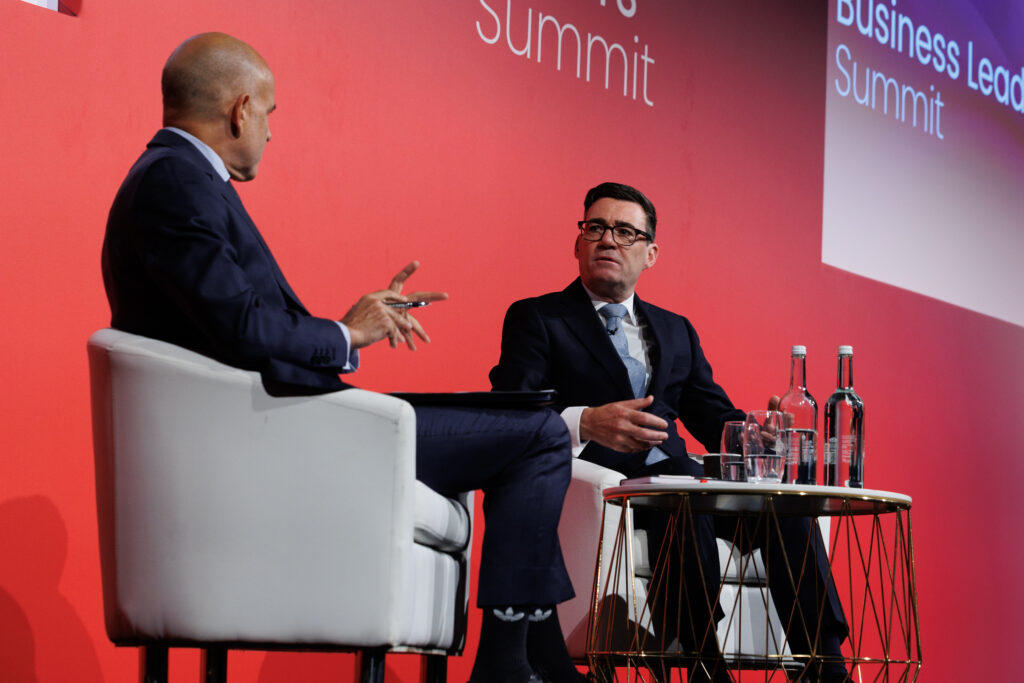
Turning government messaging into engaging event content involves transforming complex policies, official announcements and key government messages into accessible, engaging and memorable experiences for audiences.
By using creative storytelling, interactive activities, live demonstrations, visual displays and relatable examples, important information can be communicated in a way that captures attention and encourages participation.
The aim is to move beyond traditional, formal communication and create content that informs, inspires and connects with people, ensuring key messages are clearly understood, relevant and leave a lasting impression.
Try to build in interaction through:
- Scenario and case work: Give the audience a realistic situation under the new policy and have them work it through.
- Structured roundtables: Small, facilitated groups generate usable input.
- Delivery clinics: Sector-specific sessions where attendees bring their own circumstances to officials or experts.
- Genuine question time: Not a panel with five minutes left, but a properly resourced session where difficult questions are taken seriously.
Working with an event agency on public sector events
An event agency connects the many decisions involved in delivering a public sector event. It turns the brief into an engaging programme, coordinates suppliers and logistics, prepares speakers and manages technical production. A full-service events agency covers budgeting, venue sourcing, AV and event strategy, bringing everything together under one roof.
Public sector event production specialists like Broadsword deliver the quality needed to attract relevant, engaged audiences, including senior politicians and public sector leaders. A partner like that can help you to reach thousands of delegates at large-scale exhibitions or talk directly to critical stakeholders at a private roundtable.
With over two decades of global event experience, Broadsword knows the importance of building a flexible, proactive partnership. This helps us anticipate and accommodate logistics, protocols, accessibility, diversity and inclusion requirements.

Case study
The Labour Party Conference
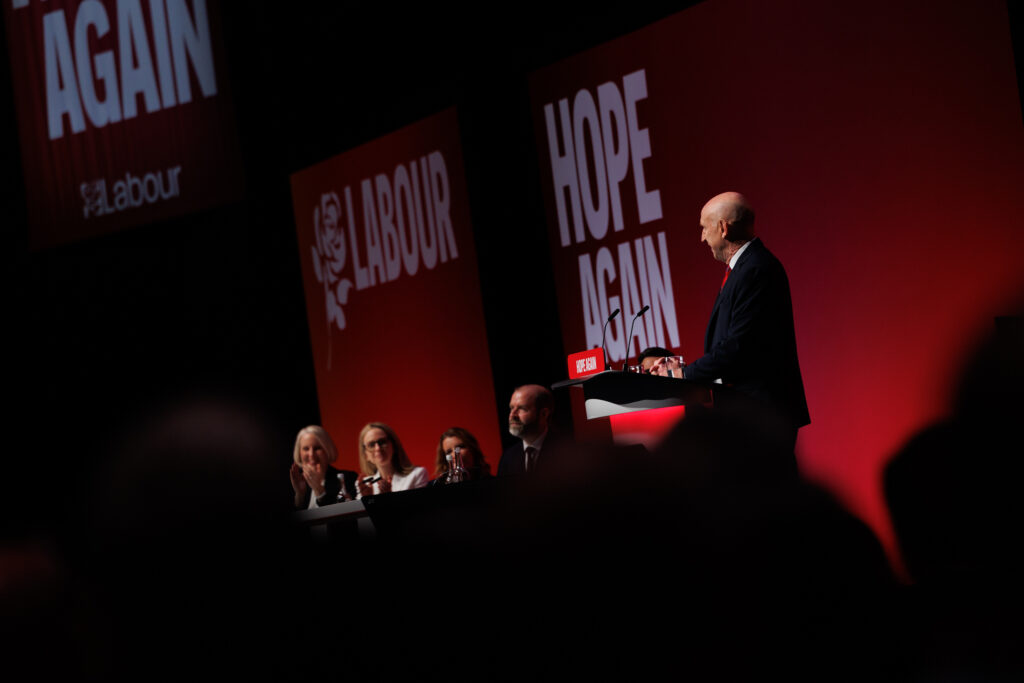
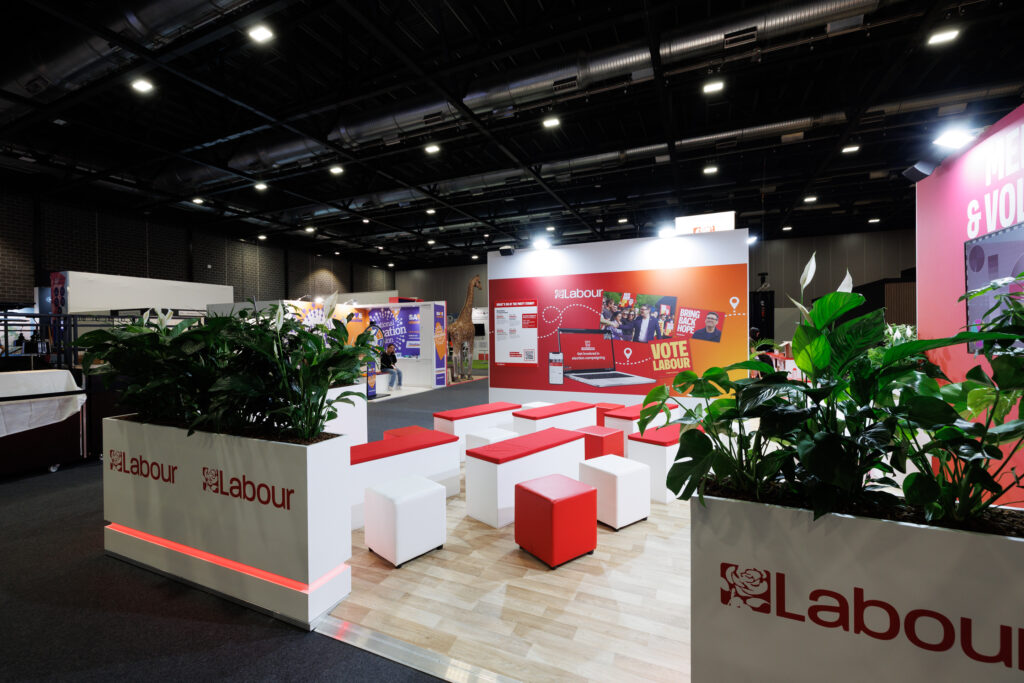
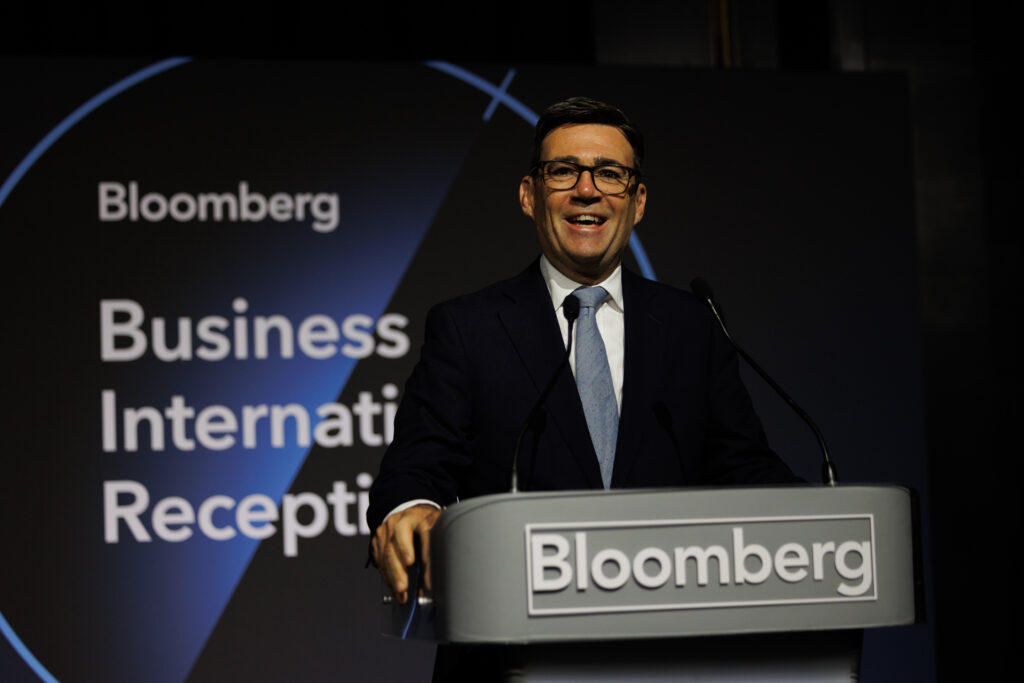
The Labour Party Conference is one of the UK’s largest and most high-profile political events, attracting more than 20,000 visitors, exhibitors, and media representatives to Liverpool. Broadsword has worked with the Labour Party as an event partner for 20+ years, supporting the production and logistics of their annual conference.
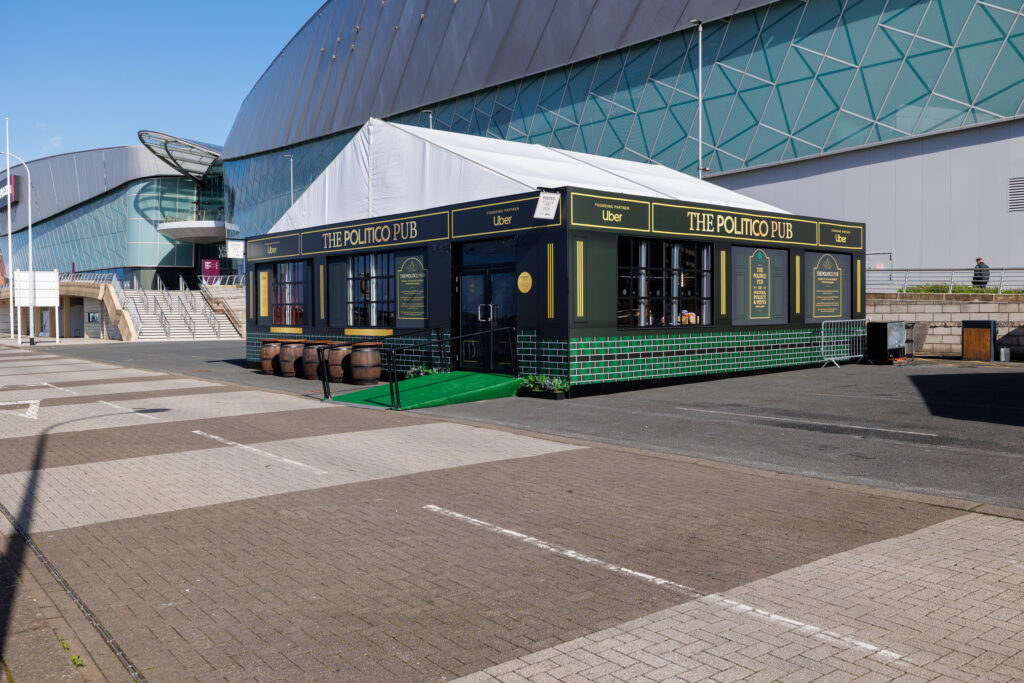
Hosted across the entire Liverpool Experience Campus, including the convention centre and M&S Bank Arena, the four-day event featured more than 500 fringe events, keynote speeches, exhibitions and networking opportunities.
Work with us
Working as event producers for government, public sector organisations, and commercial clients, Broadsword is an award-winning event agency that has been trusted to deliver leading events including the Labour Party election broadcasts and Annual Conference for over two decades.
For government department and public sector event professionals, Broadsword provides proven production expertise and event services to create compliant and inclusive events that engage the stakeholders that matter most.
At the core of Broadsword’s mission as an events agency is providing a stage for diverse voices to speak and be heard. Through the events we produce such as Trust Conference, we are able to facilitate conversations, connection and debate that drive meaningful change.
Related insights

Why digital-first brands are moving marketing offline
![]()

Why digital-first brands are moving marketing offline