Finance & Fintech Events: The Complete Calendar
The Best Ways to Plan a Sustainable Event

As one of the top rated and highest climbing sustainable agencies in the UK , Broadsword is leading the way on sustainable event delivery, driving industry best practice, sharing knowledge, and creating resources to help every business plan events more sustainably.
Our downloadable guide walks you through each stage to take you from basic, initial steps to creating an event that uses brilliant and best sustainability practices to leave behind positive impact.
Across wide ranging services varying from marketing and communications to merchandise and gifting, the guide offers a starting point to improve every element of an event until you can reach the best level of sustainability in events.
Best represents a commitment to sustainability at the core of event planning. Planners at this level lead the way for others and influence wider industry practice through transparency and collaboration. These events can create a long term impact on people and planet such as a zero waste to landfill policy.
MARKETING AND COMMUNICATIONS
Basic: Use seed paper invites, to provide a 3-in-1 gift to attendees and wildlife, Or go completely paperless with email invites and online event hubs which allow you to to easily monitor signups and interest.
Brilliant: If sending email invites, don’t attach files to your emails but instead provide links to register and guides to getting to the event sustainably including public transport routes, carpooling and cycling suggestions.
Best: Develop a comprehensive event platform which includes agendas, exhibitor contact details, seating plans or floor maps to eliminate the need for printed materials. Include incentives for sustainable travel and options to provide travel information for verified offsetting post-event. Host this on a green platform.

VENUE SELECTION
Basic: Encourage guests to support sustainability goals by choosing a venue that is easily accessible by public transport, has recycling programmes, and water fountains.
Brilliant: A venue with a green certification or environmental policies such as locally sourced menus and energy saving measures. They should also provide a report on energy, water usage, and waste for offsetting.
Best: Select a venue that operates on net-zero emissions or has comprehensive sustainability practices such as rainwater harvesting, renewable energy, and green spaces that support biodiversity.
CLIMATE ACTION
Basic: Use energy efficient AV equipment such as LED only as well as zero-waste materials such as compostable cutlery and no single use plastic, as well as recycling stations. Partner with a transportation company to offer group discounts or carbon neutral shuttle services.
Brilliant: Host regional events in the places where most of your employees or delegates are, and implement a virtual element for global employees to reduce air travel, encouraging attendees to use public transport alternatives where possible.
Best: Implement a climate action plan including goals for energy usage, waste management, sustainable sourcing, and preventing all air travel. Engage attendees in climate action initiatives such as team building sessions that contribute to nature conservation and incorporating climate education into the overall programme

FOOD AND BEVERAGE
Basic: Implement plant-based options and ask for dietary requirements and confirm attendee numbers to order pre-set portions. Use reusable service wear and set up water stations for refillable water bottles.
Brilliant: Opt for zero-waste suppliers and venues who will redistribute leftover food, through donations or employees, or have a composting system.
Best: Ensure all F&B is locally sourced, organic, fully plant-based, and seasonal; all tableware is reusable and all waste is prevented through local donations and composting.
MATERIALS AND PRODUCTION
Basic: Minimise printing and provide digital alternatives to signage, event branding, and handouts. Reuse, recycle, and donate materials and furniture for build and post-event.
Brilliant: Work with vendors to ensure all materials are recyclable, compostable, or reusable through the designing non-event specific installations. Avoid single use plastics and polystyrene.
Best: You must have a zero-waste policy. This can be supported by going paperless and using digital solutions as an alternative, using donation and recycling schemes as well as providing recycling stations at your event. Source sustainably by using certified, organic, and non-toxic wood, fabrics and paints.

WATER CONSERVATION
Basic: Provide stations with filtered tap water and reusable cups and avoid pre-pouring water glasses. Encourage guests to participate in towel and linen reuse programmes if staying at a hotel for the event.
Brilliant: Select venues with water – efficient infrastructure such as low-flow water fixtures and rainwater harvesting systems.
Best: Work with caterers who use water-saving practices in food preparation including washing produce and opt for menu items that use less water to produce. Provide education to attendees on why these things have been done and how they can reduce their water footprint post-event.
SUPPLY CHAIN MANAGEMENT
Basic: Include questions about sustainability and social responsibility in your Requests For Proposals and use this information to make decisions. When searching for suppliers prioritise those in the local area.
Brilliant: Review your supply chain based on sustainability and diversity, set goals and a code of conduct such as a requirement for suppliers to complete reviews of basic environmental and ethical standards or training (such as modern slavery and human trafficking identification) during onboarding.
Best: Prioritise vendors with strong ESG programmes and accreditations, implementing a sustainability survey and contractual sustainability requirements into the onboarding process. Visit suppliers regularly and ask for reports on the lifecycle of products and carbon footprint.
MERCHANDISE AND GIFTING
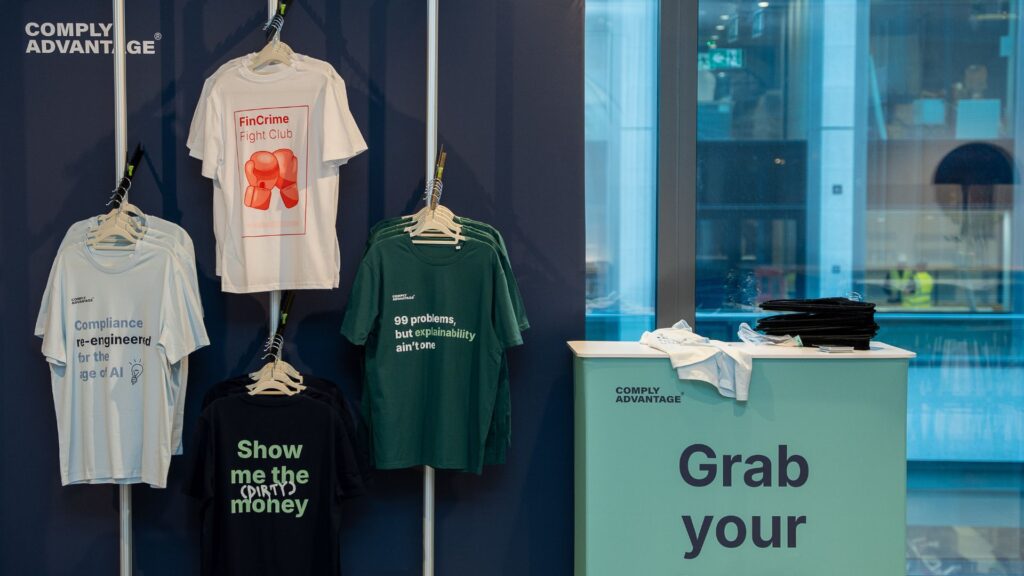
Basic: Use eco-friendly gifts and such as those made of recycled paper and packaging, and that are likely to be reused such as flasks, eco friendly pens, and water bottles.
Brilliant: Source products from local suppliers, with ethical and sustainable production practices. Gifts like planting kits, seed paper, or beeswax products could further educate attendees.
Best: Give zero-waste gifts such as experiences, digital gift cards, memberships to eco-friendly organisations, donations to charity, or plant a tree in the attendee’s name.
Basic: Track carbon footprint on key sustainability metrics such as energy use, transport, and waste generated, utilising post-event feedback forms for guests to record and share their routes to travel to the event. Then you can use a simple carbon calculator to estimate the event’s overall emissions.
Brilliant: Set specific sustainability goals to guide planning, forming a group or inviting a third party to oversee this. Invite a speaker on carbon footprint to a panel session to help guests achieve sustainability goals. Create a sustainability report and identify areas for improvement pre and post-event.
Best: Use software to predict impact beforehand and implement practices to reduce this number with data-driven insights. Track and analyse the event’s impact across a number of ESG factors and develop a comprehensive report that can be shared with clients.
Conduct lifecycle assessments on event components to understand their individual impact from production to disposal. Continuously improve on each factor via sustainability reports, supply chain reviews, and third party audits.
As a B Corp certified and sustainable agency, positive impact is fundamental to everything that we do at Broadsword. It shapes how we design events, source materials, work with suppliers and measure impact.
We love to discuss how sustainability can be incorporated into your events. Get in touch here.