Impactful Charity Events: The Guide
The Three Phases of High-Impact Event Strategy
Event Strategy Doesn’t Start When the Doors Open
An event’s impact is shaped by more than what happens on the day. In this blog, Broadsword’s Account Director, Becki Kemp, explores how understanding your audience, encouraging meaningful participation and learning from attendee insights can transform events into ongoing conversations that build stronger relationships and inform future engagement.
“When people talk about event strategy, the conversation almost always gravitates towards the live experience. The venue. The staging. The speaker line-up. The content. The technology. The attendee journey from registration to departure.
While these elements are undoubtedly important, they represent just one part of the picture.
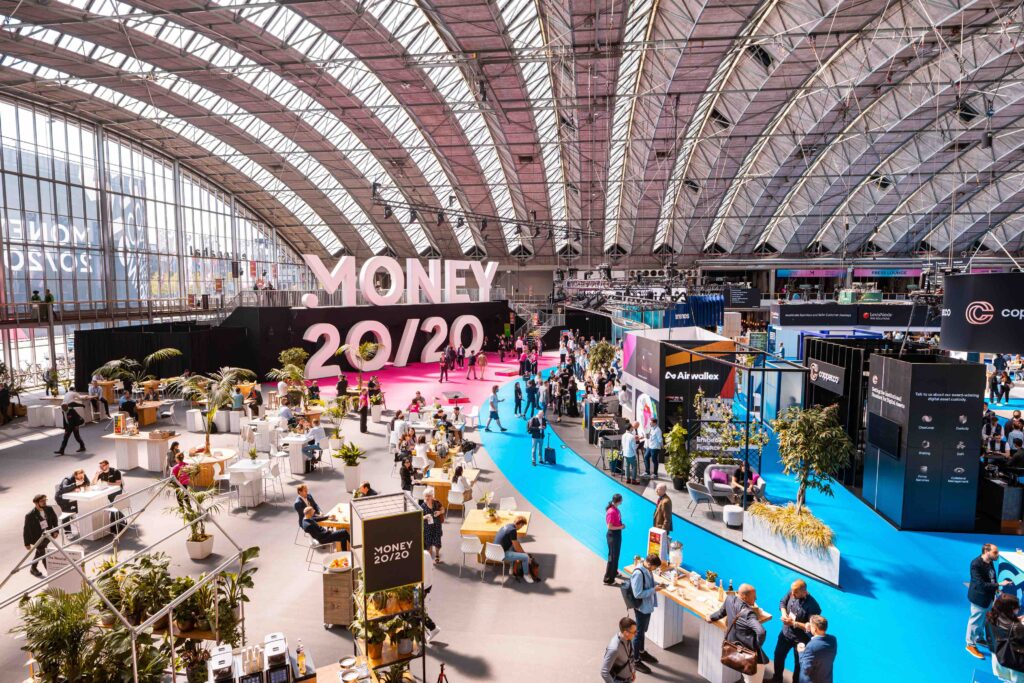
In reality, event day is often the shortest phase of the entire event lifecycle. Yet many organisations invest the majority of their time, budget and attention into the few hours that delegates spend onsite, while overlooking the opportunities that exist before attendees arrive and after they leave.
The most successful events are not isolated moments in time. They are carefully planned engagement journeys that build anticipation, create meaningful experiences and continue delivering value long after the final session has ended.
True event strategy exists across three critical phases: before, during and after the event.
Before: Building Momentum Before Delegates Arrive
Effective pre-event engagement helps attendees understand what they can expect, why the event matters and how they can get the most value from attending. This might involve sharing speaker insights, highlighting key discussion themes, inviting delegates to submit questions in advance, or creating opportunities for networking ahead of the event.
Beyond building anticipation, the pre-event phase creates an opportunity to gather meaningful insight from attendees. Surveys, polls and other engagement tools can help organisers better understand what matters most to their audience, what they are hoping to gain from the event, and which topics would deliver the greatest value. By gathering this insight early, organisers can shape content, experiences, and messaging to better align with delegate expectations, creating a more relevant and impactful event.
When attendees feel involved in the journey, rather than simply invited to it, engagement levels tend to increase significantly.
During: Delivering on the Promise
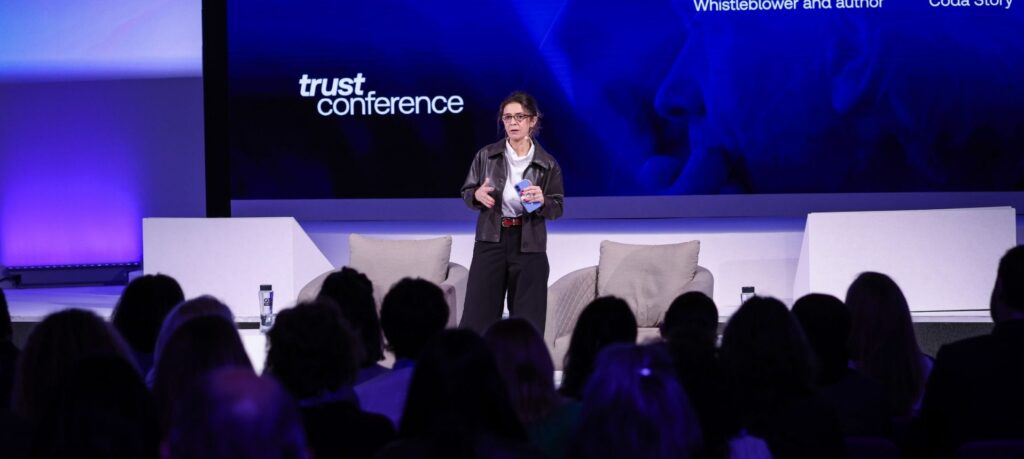
The live event remains a critical moment in the attendee journey. It is where months of planning come together and where organisations have the opportunity to create memorable experiences that strengthen relationships, communicate key messages and inspire action.
However, the most effective events view the live experience as the culmination of the strategy, not the strategy itself.
Every element of the event should support a broader objective. The venue, content, production and attendee experience should all work together to reinforce the purpose of the event and deliver value to the audience.
Increasingly, delegates expect more than a passive experience. They want opportunities to contribute, interact and connect with others. The events that leave lasting impressions are often those that create genuine moments of participation rather than simply delivering presentations.
Equally important is the ability to gather meaningful insights throughout the event itself. Audience questions, live polling, networking interactions and session attendance data can provide valuable information about what resonates most with participants. These insights not only help measure engagement in real time but also create a richer understanding of audience interests and behaviours.
A successful event doesn’t just deliver content. It generates intelligence.
After: Turning Engagement into Value
If the pre-event phase is often underutilised, the post-event phase is frequently overlooked altogether.
It is not uncommon for organisations to spend months planning an event, only to send a thank-you email and a short feedback survey before moving on to the next project. Yet this is often where the real return on investment is created.
The days and weeks following an event provide a unique opportunity to reinforce key messages, continue conversations and build on the momentum generated onsite. Content can be repurposed into articles, videos, podcasts or social media campaigns. Follow-up communications can deepen relationships and encourage further engagement. Valuable connections made during the event can be nurtured and developed.
At the same time, organisations should be looking beyond attendance figures and satisfaction scores when evaluating success. Of course, metrics such as registration numbers and net promoter scores remain important. But they should only form part of the analysis.
The more meaningful questions are often:
- Which sessions generated the highest levels of engagement?
- What themes emerged most frequently throughout the event?
- What questions were attendees asking?
- Which content resonated most strongly with different audience segments?
- What insights should influence future communications, campaigns or events?
Perhaps most importantly, organisations should close the feedback loop with delegates. Too often attendees are asked for their opinions but never hear what happened next. Sharing outcomes, learnings and actions demonstrates that feedback has been valued and helps strengthen trust with audiences.
An event should not be viewed as the end of a conversation. It should be viewed as the beginning of the next one.
Rethinking Event Strategy
The events industry has become exceptionally good at creating engaging live experiences. Production values continue to evolve, technology is advancing at pace and attendee expectations have never been higher.
The next evolution of event strategy is not simply making events bigger, louder or more ambitious. It is about creating stronger connections between what happens before, during and after the event itself. When organisations invest equal attention across all three phases, they move beyond delivering memorable experiences and begin creating measurable business outcomes, stronger audience relationships and longer-lasting impact.
Because while event day may be the most visible part of the process, it is often what happens before and after that determines whether an event truly succeeds”.
WORK WITH OUR TEAM
Want to plan more strategic business events?
A well-planned event strategy helps you maximise ROI, strengthen relationships, generate future opportunities and continuously improve your event programme. Whether you’re delivering a conference, exhibition, product launch or corporate event, investing in post-event activity ensures your event delivers lasting business value.
At Broadsword, we believe events should do more than create memorable experiences. They should deliver measurable business outcomes. From strategy and creative development to event management and technology, we help organisations create corporate events that engage audiences. If you’re looking for a full service corporate events agency that delivers strategic planning to maximise ROI, we’d love to help. Explore our services from event marketing and comms planning to impactful production and event playbooks.
Get in touch with Broadsword to start planning events that create lasting impact.
Related insights
How to make your event work harder: before, during, and after the day
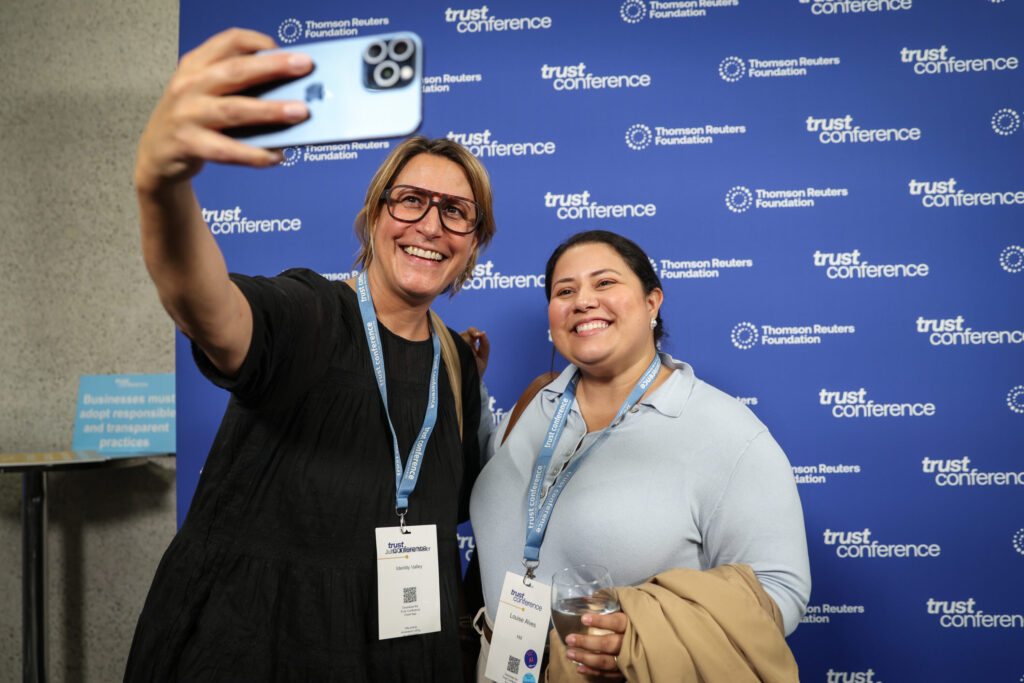
![two women take selfie against branded backdrop]()
How to make your event work harder: before, during, and after the day